What is the Best Diet for Indoor Cats in 2026?

Time:2026-08-31 Author:Ethan
0%

As pet ownership continues to rise, understanding what is the healthiest diet for indoor cats is crucial. Experts emphasize that indoor cats have unique dietary needs compared to their outdoor counterparts. According to a recent report by the Association for Pet Obesity Prevention, about 60% of indoor cats are overweight or obese. This statistic highlights the necessity of balanced nutrition tailored for their lifestyle.

Dr. Lisa Pierson, a veterinary expert in feline nutrition, states, "An ideal diet for indoor cats should reflect their low activity levels." With potentially lower energy needs, the right diet can prevent obesity while supporting overall health. Specific brands and formulations are gaining attention for their high-quality proteins and low-carb content. A key focus is on incorporating moisture-rich foods, which can aid hydration.

Finding the best diet requires careful consideration. Factors such as age, weight, and health status should guide choices. It's vital to avoid over-reliance on dry kibble. Cats naturally prefer varied textures and flavors. The journey to determine what is the healthiest diet for indoor cats can be complex, but the benefits of a well-researched diet are significant.
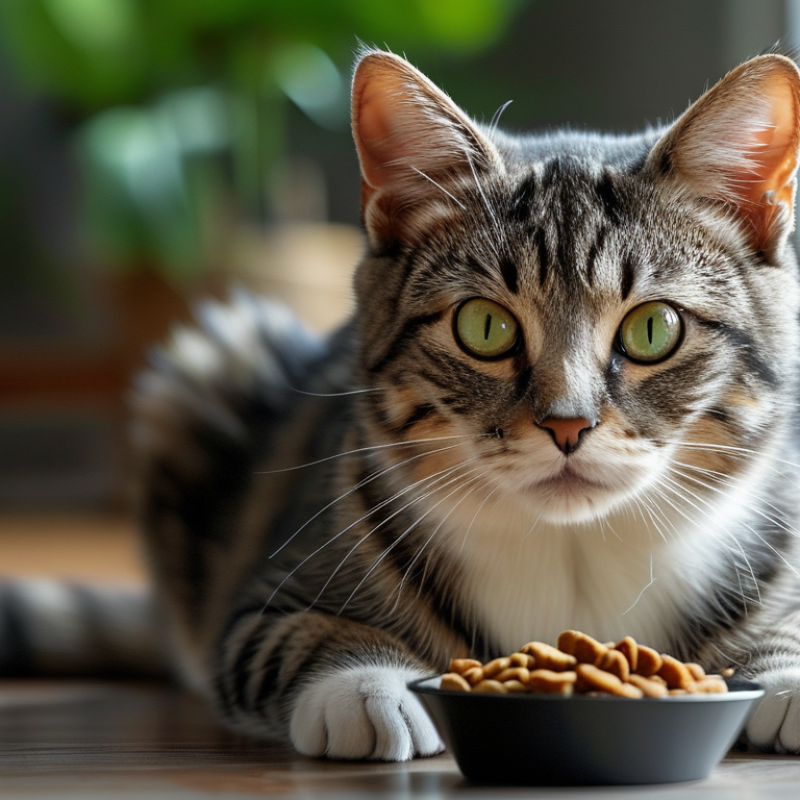
What is the Best Diet for Indoor Cats in 2026?

Understanding the Nutritional Needs of Indoor Cats in 2026

Understanding the nutritional needs of indoor cats in 2026 involves recognizing their unique requirements. Indoor cats tend to lead less active lives. This lifestyle can lead to obesity if their diets are not carefully monitored. A study from the Journal of Feline Medicine and Surgery reported that over 60% of indoor cats are overweight. This statistic highlights the need for a balanced diet that supports their health.

Cats require high-protein diets that reflect their carnivorous nature. Meat-based proteins should be the primary ingredient. In addition, proper hydration is crucial. Indoor cats often drink less water, so incorporating wet food can aid in maintaining their hydration levels. This is essential for kidney health and urinary tract function.

Providing mental stimulation is also vital. Consider interactive feeding toys to encourage slower eating habits. This not only helps with weight management but also enriches their environment. Keep in mind that not all cats will enjoy the same types of food. Observe your cat's preferences and adjust accordingly. Cats often have specific tastes, and what works for one may not work for another. They may also develop sensitivities over time. Understanding these aspects leads to a healthier, happier indoor cat.

Key Ingredients for a Balanced Indoor Cat Diet

When considering the best diet for indoor cats in 2026, key ingredients play a vital role in their health. Recent reports indicate that high-quality protein sources are essential. According to a study by the Journal of Animal Science, cats require diets high in protein, as they thrive on amino acids found in meat. A protein content of at least 30% is recommended for optimal health.

In addition to protein, fiber is crucial for indoor cats. It aids digestion and helps prevent obesity. A report from the American Journal of Veterinary Research suggests that a fiber content of 5-10% can promote satiety and regular bowel movements. Common sources of fiber include pumpkin and beet pulp. Healthy fats are also necessary for a balanced diet, providing energy and supporting skin health. Encouraging regular hydration is important too. Cats often do not drink enough water, leading to urinary tract issues.

While many diets claim to be complete, not all ingredients are created equal. It’s vital to scrutinize food labels and understand nutrient sources. There can be discrepancies in pet food formulations, resulting in undernutrition or excesses. Evaluating your cat’s individual needs with a veterinarian can ensure they receive the best possible nutrition. Each cat is unique, and their dietary needs may vary based on age, weight, and activity level.

Special Considerations for Aging Indoor Cats

Aging indoor cats have unique dietary needs that are crucial for their health. As cats age, their metabolism slows down. They may gain weight if they're not monitored closely. Providing a high-quality diet rich in proteins can help maintain muscle mass. It's essential to choose foods that are easy to digest and contain essential vitamins. Look for ingredients that support joint health. Omega fatty acids can be beneficial for their skin and coats as well.

Hydration is another key concern. Older cats may not drink enough water, which can lead to kidney issues. Wet food can be a great way to increase their fluid intake. It's also a good idea to offer fresh water daily, possibly in different locations. Some cats may prefer running water from a fountain. This small change can make a big difference in their hydration levels.

Additionally, always pay attention to your cat’s reactions to different foods. Some might have food sensitivities that develop as they age. Gradually introducing new diets can help you spot any issues early on. Consulting with a veterinarian about any significant changes is wise. This ensures your cat not only enjoys their meals but also stays healthy and happy.

What is the Best Diet for Indoor Cats in 2026? - Special Considerations for Aging Indoor Cats

Nutrient Amount (per 100g) Importance for Aging Cats Recommended Sources
Protein 30g Supports muscle maintenance Chicken, Fish, Eggs
Fat 15g Energy source, skin & coat health Fish Oil, Chicken Fat
Fiber 5g Digestion & weight management Pumpkin, Psyllium
Vitamins Varies Supports immune function and overall health Carrots, Spinach, Blueberries
Minerals Varies Bone health and hydration Meat, Fish, Seaweed

Comparing Commercial Diets Versus Homemade Meals for Indoor Cats

When it comes to feeding indoor cats, the debate between commercial diets and homemade meals is ongoing. Commercial diets provide convenience and often a balanced nutrient profile. These diets are regulated and formulated to meet feline dietary needs. However, not all commercial foods are created equal. Many contain fillers and additives that may not be beneficial for your cat.

Homemade meals offer customization. You can tailor ingredients based on your cat's preferences and health needs. Homemade options can include fresh meat, vegetables, and healthy grains. However, crafting well-balanced meals requires careful planning. Cats have specific nutritional requirements, and it can be tricky to ensure they get all the nutrients they need in the right amounts.

Ultimately, the choice between commercial diets and homemade meals will depend on your cat’s health and lifestyle. Observing your cat’s response is crucial. Some cats thrive on commercial diets while others may benefit from fresh, homemade options. Regular consultations with a veterinarian can help guide the decision. Feeding choices are personal and should be tailored to the unique needs of each cat.

Best Diet for Indoor Cats in 2026: Commercial Diets vs. Homemade Meals

Maintaining Hydration: Importance of Water Intake for Indoor Cats

Indoor cats often struggle with hydration. Unlike their outdoor counterparts, they may not drink enough water. This can lead to various health issues. Water is vital for their digestion, kidney function, and overall well-being.

One way to encourage your cat to drink more is through a water fountain. Many cats prefer fresh, flowing water over stagnant bowls. You can also try varying the water sources. Place bowls in different areas of your home. This simple change can pique their curiosity and stimulate consumption.

Remember that wet food can also boost hydration. It contains a significant amount of moisture. Choosing a high-quality wet food can enhance your cat's daily water intake. Observe your cat’s habits. Are they drinking enough? If not, seek veterinary advice. Staying proactive about hydration can help your furry friend thrive.

FAQS

: Why do indoor cats need special nutritional care?

: Indoor cats are less active, leading to obesity if diets aren't monitored closely.

What type of diet should indoor cats have?

Cats require high-protein diets with meat-based proteins as the main ingredient.

How important is hydration for indoor cats?

Proper hydration is crucial for kidney health and overall well-being in indoor cats.

How can I encourage my indoor cat to drink more water?

Consider using a water fountain or varying the location of water bowls around your home.

What are the pros of feeding homemade meals to indoor cats?

Homemade meals allow for customization based on your cat's specific preferences and health needs.

Are commercial diets better for indoor cats?

Commercial diets provide convenience and balanced nutrients, but not all are created equal.

How can I ensure my cat is eating right?

Observe your cat’s eating habits and preferences, and consult with a veterinarian as needed.

What should I know about my cat's food preferences?

Cats can develop individual tastes and sensitivities; adjust their diet accordingly.

What health issues can arise from inadequate hydration?

Insufficient water intake can lead to kidney problems and digestive issues in cats.

Why are regular vet consultations necessary?

They help tailor feeding choices to your cat's unique health conditions and lifestyle needs.

Conclusion

In 2026, understanding the nutritional needs of indoor cats is crucial for their overall health and well-being. The healthiest diet for indoor cats should include key ingredients that promote a balanced intake of proteins, fats, and essential vitamins. Special considerations for aging indoor cats must also be addressed, as their dietary requirements can change significantly with age.

When evaluating the best feeding options, comparing commercial diets versus homemade meals can provide insights into which approaches might suit individual pets better. Additionally, maintaining hydration is vital; ensuring that indoor cats have adequate water intake contributes significantly to their health. Overall, a well-rounded diet tailored to the specific needs of indoor cats can lead to happier and healthier lives.

Ethan

Ethan

Ethan is a seasoned marketing professional with a deep expertise in our company's innovative product line. With a passion for sharing knowledge and insights, he takes the lead in regularly updating our corporate blog, where he explores industry trends, product features, and effective marketing......