Can Pets Eat Human Food Safely Tips for Pet Owners?

Time:2026-07-17 Author:Madeline
0%

When it comes to feeding our pets, the question often arises: can pets eat human food safely? Dr. Melissa Hall, a veterinary nutritionist, emphasizes, "While some human foods are safe, others can be harmful." Pet owners face a dilemma as they want to share their meals with their furry friends while ensuring their well-being.

Certain human foods, like cooked chicken or carrots, can be healthy treats for pets. However, items such as grapes, chocolate, and onions pose serious risks. It's essential for pet owners to understand both the safe and dangerous options. A simple mistake can lead to digestive issues or severe health problems.

Moreover, every pet is unique. What works for one may not be safe for another. Owners should monitor their pets closely after introducing new foods. Reflecting on this can help ensure our pets receive the care and safety they deserve. Ultimately, responsible pet ownership requires ongoing education and caution regarding the question, can pets eat human food safely?
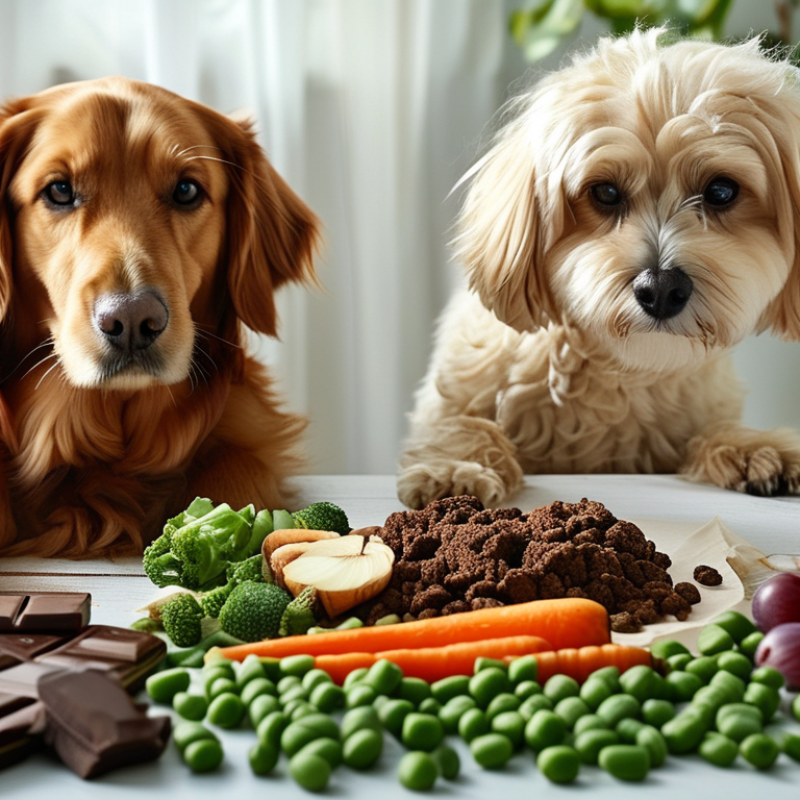
Can Pets Eat Human Food Safely Tips for Pet Owners?

Can Pets Eat Human Food? Understanding Nutritional Guidelines

Feeding pets human food is a common practice, but it's essential to understand nutritional guidelines. Many pet owners believe that sharing their meals is harmless. However, some foods can be dangerous for pets. Chocolate, onions, and grapes are well-known toxic items. Even small amounts can cause severe health issues.

When considering human food for pets, prioritize balance and moderation. Think about the nutritional needs of your pet. Dogs are omnivores, while cats are obligate carnivores. This difference impacts what foods can be shared. A little cooked chicken might be a safe treat for a dog, but that same chicken could lead to issues if seasoned with garlic or salt.

Always consult with a veterinarian before making dietary changes. They can provide tailored advice based on your pet's health and age. It’s tempting to share our meals, but we must reflect on what we offer. Transparency in our choices can help ensure a long, healthy life for our furry friends.

Can Pets Eat Human Food Safely? Tips for Pet Owners

Human Food Safety for Pets Nutritional Benefits Risks
Chicken (plain) Safe High in protein Remove bones to avoid choking
Peanut Butter Generally Safe Good fat source, vitamin E Avoid xylitol - toxic for pets
Carrots Safe Rich in beta-carotene, fiber Choking hazard if not cut
Chocolate Not Safe None Toxic, can cause severe health issues
Apples (without seeds) Safe Vitamin C, fiber Seeds are toxic in large amounts
Onions Not Safe None Can cause anemia in pets

Common Human Foods Safe for Pets: A Scientific Perspective

When considering a pet's diet, it's essential to know which human foods are safe for them. Studies show that some common items can be beneficial. For example, cooked chicken is a great source of protein. Many dogs enjoy it, and it can be a healthy treat. However, ensure it is free from seasoning or bones.


Fruits like blueberries and apples are also safe in moderation. Blueberries are packed with antioxidants and can help support your pet's immune system. Apples provide vitamins A and C but remove seeds before sharing.


While some pets digest human foods well, others may not. Monitor their reactions carefully.


Be cautious with portions. Overfeeding human food can lead to obesity in pets. Some human foods, like chocolate, are toxic, so always research beforehand. If unsure, consult a veterinarian. They can provide personalized advice tailored to your pet's specific needs.

Dangerous Foods for Pets: Identifying Toxic Ingredients

When considering what foods are safe for pets, awareness is critical. Many human foods pose serious health risks to animals. Chocolate is a well-known danger. It contains theobromine, which can lead to seizures or even death in dogs. Grapes and raisins are similarly harmful. They can cause kidney failure in pets.

Onions and garlic are also toxic. They can damage red blood cells, leading to anemia. Even small amounts can have serious consequences. Owners often underestimate the risk, thinking a tiny piece is harmless. Xylitol, a common sugar substitute, is extremely dangerous for dogs as well. It can cause a rapid insulin release, resulting in low blood sugar.

Pet owners should be vigilant about what their pets consume. Educating oneself about toxic ingredients is essential. Many common household foods can threaten your pet’s health. Always consult with a veterinarian if unsure about a specific food. It’s better to err on the side of caution.

Portion Control: How Much Human Food Can Pets Eat?

When it comes to sharing our meals with pets, portion control is crucial. Many human foods can be tempting for furry friends, but moderation is key. A small piece of cooked chicken or a few carrot slices can be fine. However, large portions may lead to digestive issues. It's essential to know your pet's size and dietary needs.

Understanding the proper portion sizes can prevent obesity and other health problems. For example, a small dog may only need a tablespoon of rice, while a larger breed may require a bit more. Always introduce new foods slowly. Observe how your pet reacts. If there's any sign of discomfort, it’s wise to pull back immediately.

Pet owners should also be aware that not all human foods are safe. Foods high in fat or sugar can be harmful. Sometimes, what’s safe for one pet is not safe for another. Something that seems harmless, like grapes, can be toxic for dogs. Keeping a food diary might help track what works for your pet and what does not.

Consulting Your Veterinarian: When to Seek Professional Advice

When considering if pets can safely eat human food, consulting a veterinarian is crucial. Pet owners often underestimate the risks involved. A survey by the American Animal Hospital Association indicates that nearly 50% of pet owners are unsure about what foods are safe for pets. This lack of knowledge can lead to harmful consequences.

Certain foods, like chocolate and grapes, are toxic to pets and can cause severe health issues. The ASPCA reports that over 200,000 cases of pet food poisoning are treated each year. Thus, professional advice is essential when introducing new foods into your pet's diet. A veterinarian can provide tailored recommendations based on your pet's breed, age, and health status.

Frequent consultations create a safer environment for your pet. Many owners hesitate to seek advice until a problem arises. This reaction can lead to distressing situations. Regular check-ups offer opportunities to discuss diet and nutrition openly. Engaging with a veterinary professional ensures that the choices you make support your pet’s health, ultimately enhancing their quality of life.

FAQS

: Can pets eat human food safely?

: Some human foods are safe, but many can be harmful to pets. It's vital to know the risks.

What foods are toxic to pets?

Common toxic foods include chocolate, onions, and grapes. Even small amounts can cause serious health problems.

How much human food can pets eat?

Portion control is important. A small treat, like a piece of chicken, can be fine, but don't overdo it.

Why is portion control important for pets?

Large portions can lead to digestive issues and obesity. Understanding your pet's needs is essential for their health.

When should I consult a veterinarian about my pet’s diet?

It's best to consult a vet before introducing new foods. They can provide tailored advice based on individual needs.

How can I track what foods are safe for my pet?

Keeping a food diary can help monitor which foods work well and which may cause problems for your pet.

Can some foods be safe for one pet but harmful for another?

Yes, what's safe for one pet might not be safe for another. Always investigate before sharing food.

How do I know if my pet reacts poorly to a new food?

Introduce new foods slowly and watch for signs of discomfort. Pull back immediately if any issues arise.

Why do many pet owners underestimate dietary risks?

Many pet owners lack knowledge about what foods are safe, leading to harmful choices and health crises.

How often should I consult with my vet regarding diet?

Regular check-ups allow for open discussions about diet and nutrition, enhancing your pet's overall health and quality of life.

Conclusion

When considering whether pets can eat human food safely, it's essential to understand the nutritional guidelines that govern pet diets. Many common human foods can be safe for pets, but it's crucial to approach this dietary practice from a scientific perspective. However, pet owners must also be aware of dangerous foods that contain toxic ingredients, which could harm their furry companions.

Portion control is another critical aspect to consider; knowing how much human food pets can eat prevents overfeeding and related health issues. Lastly, consulting a veterinarian should be a priority when in doubt about incorporating human food into a pet's diet, ensuring the well-being of pets while exploring this culinary blend. Ultimately, responsible decision-making can lead to a safe and enjoyable experience for both pets and their owners.

Madeline

Madeline

Madeline is a dedicated marketing professional with a wealth of expertise in our company's core offerings. With a keen understanding of the industry, she brings a unique perspective to her role, consistently delivering high-quality content that highlights the superior aspects of our products. As......