Top Ingredients to Avoid in Pet Food for Healthier Pets?

Time:2026-08-01 Author:Liam
0%

When considering your pet's diet, it's crucial to ask, "what ingredients should I avoid in pet food?" Many pet owners unknowingly purchase foods containing harmful additives. The quality of pet food directly affects your pet's health. Familiarizing yourself with ingredient labels can prevent potential health issues.

Several common ingredients may pose risks to your furry friends. For example, artificial preservatives and fillers can lead to obesity and allergies. Moreover, some protein sources lack nutritional value. It's essential to identify these harmful components.

Pet food manufacturers may not always prioritize your pet's well-being. Therefore, understanding these ingredients is vital for making informed choices. By refining your knowledge, you can ensure your pet leads a healthier life. Taking small steps now could save future vet bills and enhance your pet's quality of life.
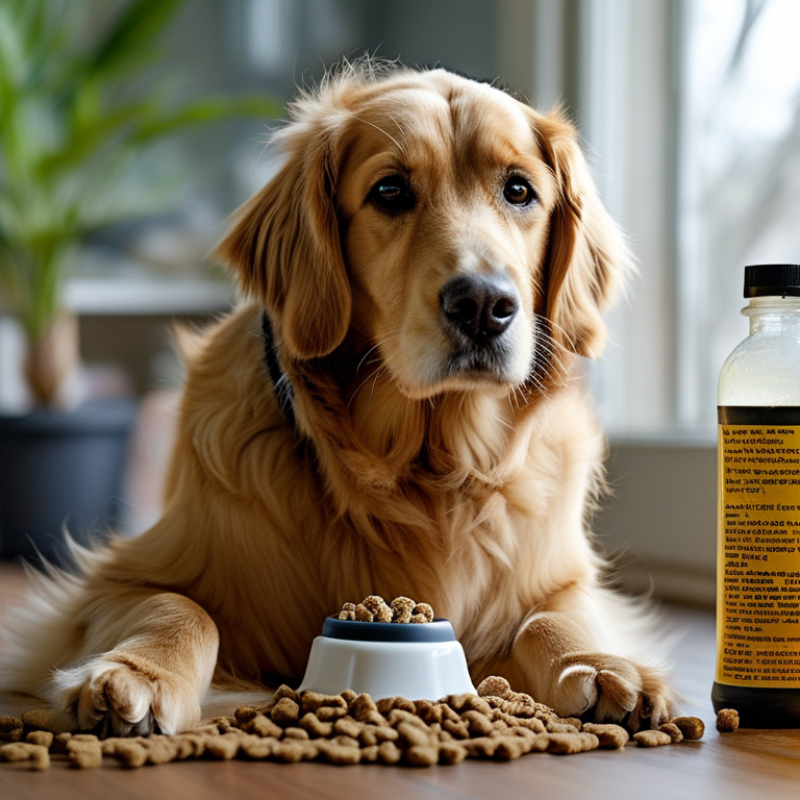
Top Ingredients to Avoid in Pet Food for Healthier Pets?

Common Harmful Ingredients Found in Pet Food

When choosing pet food, it's crucial to be aware of common harmful ingredients. Many products contain fillers like corn and wheat. These ingredients may lead to allergies or digestive problems in pets. Opt for high-quality food that avoids these unnecessary fillers.

Another ingredient to consider is artificial preservatives. These are often used to extend shelf life but can pose health risks. Pets might show signs of fatigue or skin issues as a reaction. Additionally, some pet food contains by-products, which are less nutritious. These are often sourced from parts that are not ideal for consumption.

Choosing nutritious pet food requires careful labels reading. Look for whole food sources. Ingredients should be recognizable and easily digestible. It’s essential to reflect on your pet's health and energy levels. Things may not always be as they seem with commercial pet food. Before making a choice, do your homework. This ensures your pet enjoys a healthier and happier life.

Top Harmful Ingredients Found in Pet Food

The Impact of Artificial Preservatives on Pet Health

Artificial preservatives are common in pet food, but their impact on pet health is concerning. Studies suggest that these chemicals can lead to long-term health issues in pets. For example, research published in the Journal of Animal Nutrition indicates a link between synthetic preservatives and increased cancer risks in dogs.

Veterinary experts emphasize the need for natural alternatives. Many pet owners remain unaware of the potential harm caused by preservatives like BHA and BHT. A survey from the Pet Food Institute revealed that 70% of pet owners favor “natural” ingredients. Yet, many still choose processed foods loaded with these harmful additives.

Cats and dogs metabolize these substances differently. A recent report shows that over 30% of dogs experiencing chronic illness had diets high in artificial additives. Pet owners must scrutinize ingredient labels. This will enable them to make informed choices, enhancing their pets' overall well-being.

Understanding Fillers and Their Lack of Nutritional Value

When choosing pet food, understanding fillers is crucial. Fillers are ingredients often added to bulk up the product. They provide little to no nutritional value. Common fillers include corn, wheat, and soy. While they might make food cheaper to produce, they don’t deliver essential nutrients for your pet's health.

Pets require balanced diets rich in proteins and fats. Relying on fillers can lead to deficiencies over time. A diet lacking in quality ingredients can cause various health problems. Some pets may experience skin issues, digestive problems, or lack of energy. Observing your pet’s overall well-being can provide insights into their dietary needs.

Choosing high-quality pet food means prioritizing nutrient-rich ingredients. Yet, many pet owners still overlook the importance of avoiding fillers. Reflecting on pets’ dietary choices can be challenging. However, doing so is vital for their long-term health. Being informed empowers pet owners to make better decisions for their furry companions.

Dangerous Additives to Recognize in Pet Food Labels

When choosing pet food, understanding the harmful additives is crucial. Many commercial foods contain ingredients that can jeopardize your pet's health. According to a report by the Association of American Feed Control Officials (AAFCO), some common additives are linked to health issues, including obesity and allergies.

One of the most concerning ingredients is propylene glycol. This chemical is used as a moisture-retaining agent and can be toxic in high amounts. Studies show it may lead to liver damage in cats. Another additive to watch out for is artificial colors. Although they make food more appealing, these dyes may cause allergic reactions in pets.

Tip: Always read labels carefully. Look for the presence of by-products and fillers like corn and soy, which offer little nutritional value.

Be wary of ethoxyquin, a preservative linked to cancer in pets according to veterinary studies. Natural preservatives, such as tocopherols or vitamin E, are safer alternatives. It's vital to prioritize whole ingredients that provide real nutrition over processed ones.

Tip: Consult with a veterinarian about the best dietary choices for your furry friend. Avoiding harmful additives can contribute to a healthier, happier life for your pet.

Identifying Potential Allergens in Commercial Pet Foods

Identifying potential allergens in commercial pet foods is crucial for pet health. Many pets suffer from food sensitivities, leading to skin issues, gastrointestinal problems, or even behavioral changes. In fact, research indicates that approximately 10% of dogs and 15% of cats might have food allergies. Common allergens include beef, dairy, and wheat, which can trigger adverse reactions in susceptible animals.

When evaluating pet food ingredients, it’s essential to scrutinize labels. Certain fillers like corn and soy can be problematic for some pets. According to the Association of American Feed Control Officials (AAFCO), these ingredients offer minimal nutritional value. Many pet owners overlook these details, thinking all fillers are harmless. However, the quality of ingredients significantly impacts pet well-being, and a careful selection can prevent health concerns.

Reading ingredient lists thoroughly requires diligence. Pet foods often contain by-products and unnamed sources of protein. These can obscure potential allergens. Moreover, there is a risk of cross-contamination during manufacturing, putting sensitive pets at further risk. Understanding these complexities can empower pet owners to make informed choices.

FAQS

: What are fillers in pet food?

: Fillers are ingredients that bulk up pet food with little nutritional value. Common fillers include corn, wheat, and soy.

Why should pet owners avoid fillers?

Relying on fillers can lead to nutritional deficiencies and health issues like skin problems and lack of energy.

What are harmful additives in pet food?

Harmful additives can include propylene glycol and artificial colors. These can jeopardize your pet's health.

How can propylene glycol affect pets?

Propylene glycol can be toxic in high amounts, potentially leading to liver damage in cats.

What allergens should pet owners look out for?

Common allergens include beef, dairy, and wheat. They may cause skin or gastrointestinal issues in sensitive pets.

How important is reading pet food labels?

Reading labels is vital to avoid fillers and harmful additives, ensuring a nutrient-rich diet for your pet.

What alternatives are safer for preservatives?

Natural preservatives like tocopherols or vitamin E are safer than artificial options linked to health issues.

Can food sensitivities affect behavior in pets?

Yes, food sensitivities can lead to behavioral changes, alongside physical symptoms like skin or digestive problems.

What are by-products in pet food?

By-products are leftover ingredients that may lack quality and can obscure potential allergens in pet foods.

How can pet owners ensure better dietary choices?

Consulting with a veterinarian can guide pet owners towards the best dietary options for their furry friends.

Conclusion

In order to ensure your pets remain healthy, it is essential to understand what ingredients should I avoid in pet food. Many commercial pet foods contain harmful ingredients that can negatively impact your pet's health. Common harmful ingredients include artificial preservatives, which can lead to long-term health issues. Additionally, fillers often lack nutritional value and should be avoided, as they do not contribute to your pet's dietary needs.

It is important to be vigilant about dangerous additives that may appear on pet food labels, as these can trigger allergic reactions or other health problems. Identifying potential allergens present in various pet foods is also crucial for maintaining your pet’s well-being. By being informed about these ingredients, pet owners can make better choices that promote healthier lives for their furry companions.

Liam

Liam

Liam is a dedicated marketing professional with a profound expertise in the industry, where he excels at highlighting the unique advantages of our core products. With a keen understanding of market trends and consumer needs, Liam frequently updates our company’s professional blog, providing......