As pet owners look ahead to 2026, one question deserves careful attention: can grain free food be bad for pets? The answer is not simple. Grain-free recipes are not automatically dangerous, but they are not automatically healthier either. A shiny bag and a wolf-shaped logo cannot replace nutritional evidence.
Dr. Lisa M. Freeman, a veterinary nutritionist at Tufts University, has stated, “There is no scientific evidence that grain-free diets are better for dogs.” Her warning matters because diet-related canine heart disease has involved some grain-free foods, especially recipes containing large amounts of peas, lentils, or potatoes. The exact cause remains under investigation. That uncertainty should encourage caution, not panic.
Look closely at the ingredient panel. Notice the first five ingredients. Ask whether the recipe provides complete and balanced nutrition for your pet’s life stage. A puppy, senior dog, and cat may need very different nutrient profiles. Watch for reduced energy, vomiting, loose stools, weakness, or reluctance to climb stairs. Small changes can matter.
Real experience also has limits. A pet may improve after switching foods, but that does not prove grains caused the original problem. Sometimes the change removes another ingredient, adjusts fat levels, or improves portion control. I have seen owners focus on “grain-free” while overlooking calories, feeding amounts, and veterinary history. That is an easy mistake.
A qualified veterinarian or board-certified veterinary nutritionist can review the diet, symptoms, breed, and medical records together. In 2026, responsible feeding should mean evidence, observation, and humility. The label is only the beginning.
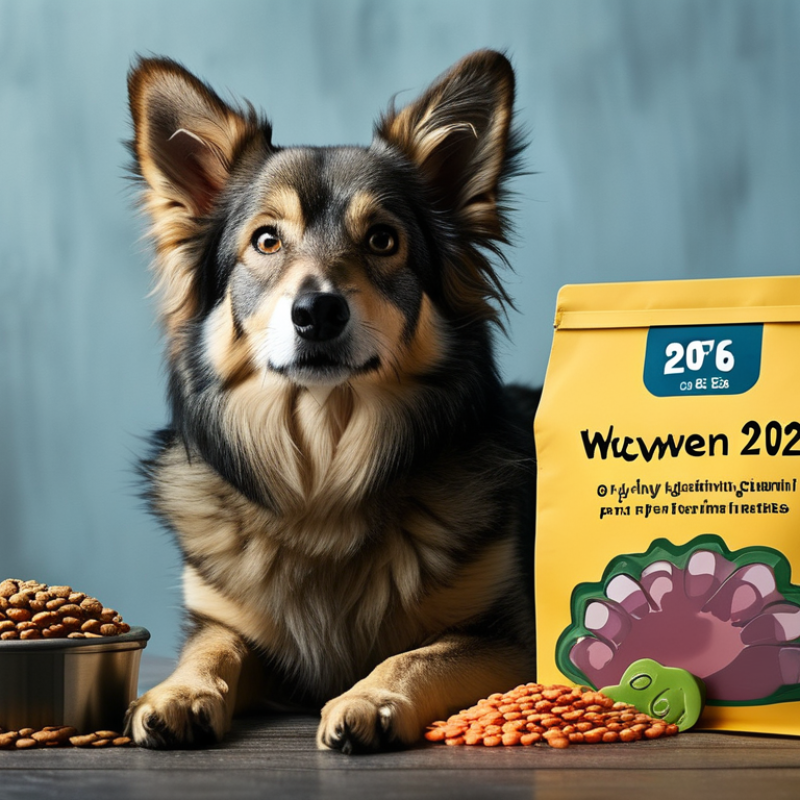
Grain-free pet food contains no wheat, corn, rice, barley, or other cereal grains. Instead, recipes often use peas, lentils, potatoes, tapioca, or other carbohydrate sources. “Grain-free” does not mean carbohydrate-free, and it does not automatically mean higher quality.
Pet owners may choose it after noticing itching, loose stools, ear problems, or suspected food sensitivity. Some also prefer diets that seem closer to a pet’s natural eating pattern. However, true food allergies are more often linked to animal proteins than grains. A veterinarian may recommend an elimination diet, with careful ingredient control, before changing foods permanently.
Read the full ingredient panel, not only the front label. Check whether the food is complete and balanced for your pet’s life stage. A qualified veterinary nutritionist can assess nutrient levels, especially protein, fat, taurine, minerals, and essential vitamins. Dogs and cats digest properly cooked grains differently, but many healthy pets tolerate them well. Cats need animal-based nutrients, while dogs can use a wider range of ingredients.
The “natural” idea can mislead me as a reader. A familiar ingredient is not proof of safety. Grain-free food may suit one pet and burden another, particularly when its formula relies heavily on legumes or replaces grains without strong nutritional evidence. Watch weight, stool quality, coat condition, and energy after any gradual diet change. Small details matter.
Evidence-based guide for evaluating grain-free dog and cat food. Individual suitability depends on the animal’s age, health status, diet formulation, and veterinary guidance.
| Evaluation Dimension | Evidence-Based Finding | What It Means for Pet Owners | Practical Check |
|---|---|---|---|
| What “grain-free” means |
Definition Grain-free food is formulated without common cereal grains such as corn, wheat, rice, barley, oats, or sorghum. It may still contain carbohydrates from ingredients such as peas, lentils, chickpeas, potatoes, or tapioca. |
“Grain-free” does not automatically mean low-carbohydrate, higher-protein, less processed, or more nutritious. | Read the complete ingredient list and guaranteed analysis instead of relying only on front-of-package claims. |
| Why owners choose it |
Common reasons Owners may choose grain-free diets because of perceived ingredient quality, limited-ingredient preferences, suspected food reactions, or the belief that grains are unnecessary. |
A preference or marketing claim is not proof that a grain-free diet is medically superior for a healthy pet. | Identify the specific health goal and discuss whether removing grains is necessary with a veterinarian. |
| Nutritional adequacy |
Core safety issue A grain-free diet can be complete and balanced, but only if the finished food is properly formulated and meets the recognized nutritional profile for the intended life stage. |
The absence of grains does not determine whether a food provides adequate amino acids, fatty acids, vitamins, minerals, and calories. | Look for a clear nutritional adequacy statement for the correct life stage and feeding purpose. |
| Grain allergies |
Usually uncommon Food allergies can occur, but reported reactions in dogs and cats more often involve animal or other protein sources than grains. Itching, ear disease, vomiting, and diarrhea can also have many non-food causes. |
Switching to grain-free food without testing may not address the actual trigger and can unnecessarily restrict the diet. | For suspected food allergy, use a veterinarian-supervised elimination diet followed by a controlled food challenge. |
| Heart-health concern in dogs |
Investigated risk Since 2018, veterinary and regulatory authorities have investigated reports of canine dilated cardiomyopathy associated with some diets containing high proportions of peas, lentils, other pulses, potatoes, or their derivatives. A definitive cause-and-effect relationship has not been established for every affected diet. |
“Grain-free” itself has not been proven to be the sole cause, but diet composition may be relevant in some dogs. | Discuss diet history with a veterinarian, especially if a dog has weakness, exercise intolerance, coughing, fainting, or breathing difficulty. |
| Ingredient-pattern review |
Requires context Several pulse or potato ingredients may appear separately in the ingredient list, while their combined contribution may be substantial. Ingredient order is based on weight before processing and does not provide a complete nutrient profile. |
The first few ingredients alone cannot reliably establish diet quality or explain possible health effects. | Consider the full formulation, nutrient analysis, feeding trials or formulation standards, and the pet’s response over time. |
| Digestibility and stool quality |
Individual response Digestibility depends on the complete recipe, processing, fiber type, fat level, protein sources, and the individual animal. Grain-free food is not automatically easier or harder to digest. |
Loose stools, gas, constipation, or weight change may indicate poor tolerance, excessive dietary change, or an unrelated medical problem. | Transition gradually over approximately 7–10 days and contact a veterinarian if digestive signs persist or worsen. |
| Life-stage suitability |
Higher importance for growth Puppies, kittens, pregnant animals, nursing animals, seniors, and pets with chronic disease have different nutritional requirements. A food suitable for adult maintenance may not be suitable for growth or reproduction. |
A grain-free label does not confirm that the food is appropriate for a young, pregnant, or medically complex pet. | Match the nutritional adequacy statement to the pet’s life stage and medical needs. |
| Cats versus dogs |
Species-specific needs Cats are obligate carnivores with species-specific requirements, while dogs can digest and use nutrients from a properly formulated mixed diet. Neither species requires a grain-free diet solely because of its classification. |
Food selected for one species should not be assumed to be nutritionally appropriate for another. | Use food labeled for the correct species and life stage, and avoid substituting diets without professional advice. |
| Medical warning signs |
Seek veterinary care Persistent vomiting or diarrhea, unexplained weight loss, reduced appetite, weakness, exercise intolerance, coughing, fainting, or difficulty breathing may indicate a medical condition. |
Changing food alone may delay diagnosis of heart disease, gastrointestinal disease, parasites, endocrine disorders, or other problems. | Stop treating persistent symptoms as a simple food preference issue and arrange a veterinary examination. |
| Overall 2026 decision rule |
Balanced conclusion Grain-free pet food is not automatically harmful, and it is not automatically healthier. The main concerns are nutritional adequacy, individual tolerance, unnecessary restriction, and the unresolved association between certain diet patterns and canine heart disease. |
The best choice is the complete, balanced diet that meets the individual pet’s needs and is supported by appropriate professional advice. | Choose based on verified nutritional adequacy, transparent formulation information, health history, and veterinary assessment—not the grain-free claim alone. |
Evidence note: This summary reflects veterinary nutrition guidance and regulatory investigations available through 2026. The investigation of diet-associated canine dilated cardiomyopathy has identified an association involving certain diet patterns, but it has not established that all grain-free foods or grains themselves are universally harmful or beneficial.
: No. Safety depends on the full recipe, nutrient balance, processing, and your pet’s health. The label alone is not enough.
Some recipes contain large amounts of peas, lentils, potatoes, or concentrated plant proteins. Their proportions may affect nutritional quality. More protein on the label does not always mean more usable animal protein.
Watch for coughing, breathing difficulty, weakness, fainting, or unusual tiredness. These signs need prompt veterinary attention. Do not wait for collapse.
Some pets may develop vomiting, loose stools, reduced appetite, weight loss, or stomach discomfort. Record when symptoms appear. Memory can miss patterns.
True grain allergies may be less common than many owners believe. A supervised elimination diet can help investigate suspected allergies. Use veterinary guidance.
Check the complete ingredient details and nutritional adequacy statement. Ask who formulated the food and whether feeding trials support its claims. Ingredient order does not show complete nutritional quality.
Heat and pressure during dry-food production may change nutrient availability. Poor storage can make fats rancid. Keep opened bags away from warm windows and humid areas.
Ask a veterinarian, especially for puppies, kittens, or pets with heart, kidney, or digestive conditions. Change food gradually. A slow transition cannot repair an unsuitable formula.
No. Genetics, recipe design, feeding duration, and overall diet may all matter. Some earlier assumptions may prove incomplete. Regular weight checks and appropriate blood or cardiac tests can reveal problems earlier.
Grain-free pet food is designed without wheat, corn, rice, or other traditional grains, often using ingredients such as peas, lentils, potatoes, or tapioca as alternative carbohydrate sources. Some pet owners choose these diets because they believe they may help with allergies, digestion, or ingredient sensitivities. However, the absence of grains does not automatically make a formula healthier. Owners should evaluate whether the food provides complete and balanced nutrition, appropriate protein and fat levels, essential vitamins and minerals, and clearly identified, digestible ingredients.
In 2026, concerns about grain-free diets continue to focus on how certain ingredient combinations, processing methods, and excessive reliance on legumes or starchy substitutes may affect some pets. Potential issues can include nutritional imbalance, digestive problems, or heart-related concerns in susceptible animals, although individual responses vary. The key question is, “can grain free food be bad for pets?” The answer depends on the recipe, the pet’s health, and how the diet is used. Pet owners should avoid making sudden dietary changes and consult a veterinarian if their animal has medical conditions, persistent symptoms, or special nutritional needs.

 Nill Paws