Many dog owners face a concerning question: "why is my dog not eating dry food anymore?" This issue is not uncommon. According to a study by the American Veterinary Medical Association, changes in a dog's appetite can signal health problems or behavioral shifts. It’s crucial to recognize these signs early.
Several factors can contribute to this behavior. Our pets may be experiencing dental pain, food allergies, or even stress from changes in their environment. The Association for Pet Obesity Prevention reports that over 50% of dogs are considered overweight, which can lead to food aversions too. Owners should observe their pets closely for subtle changes in behavior.
Furthermore, it's essential to consult with a veterinarian if the issue persists. Professional advice can help rule out serious health issues. Understanding your dog's needs requires being attentive to their health and palate preferences. It's vital to remain patient and proactive in addressing these eating difficulties.
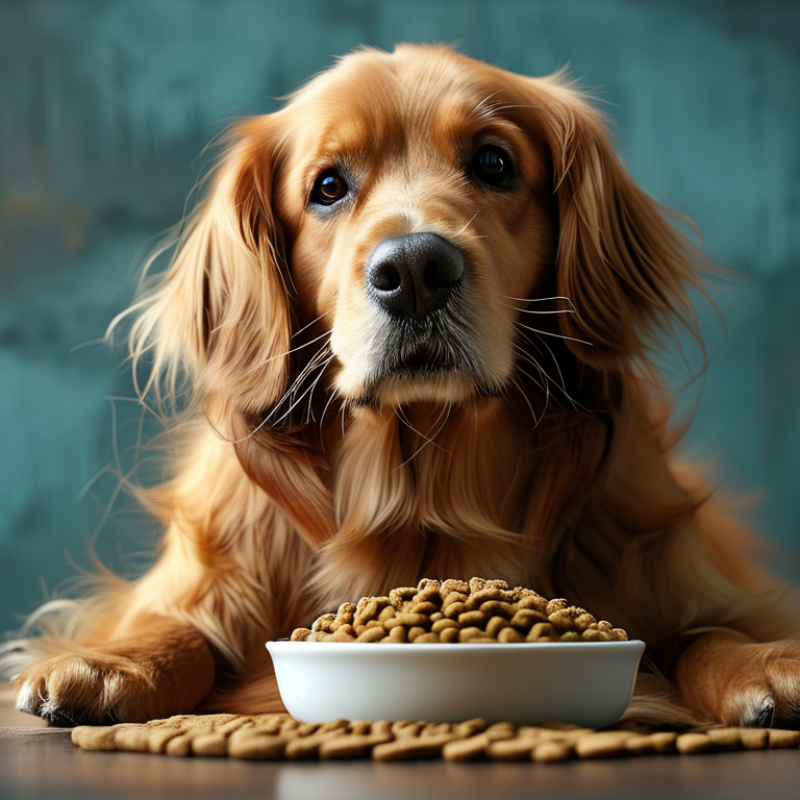
Dogs can suddenly stop eating dry food for various reasons, particularly related to health issues. One common concern is
dental problems. If your dog has gum disease or tooth decay, the pain may prevent them from chewing dry kibble. Regular vet check-ups can help identify these issues early.
Another significant factor is gastrointestinal discomfort. Conditions like gastritis or pancreatitis can make eating difficult. If your dog shows signs of bloating, vomiting, or lethargy, it’s essential to consult a veterinarian. Changes in their food can also lead to digestive distress. Sudden diet shifts can upset their stomach, leading them to avoid their dry food entirely.
Moreover, stress and anxiety may impact your dog's appetite. Life changes, like moving or a new pet, can cause this reaction. Observe your dog's behavior; excessive whining or hiding may signal emotional distress. A calming routine can help mitigate these feelings. Understanding these potential health-related reasons can guide you in addressing your dog's eating habits effectively.
Changes in a dog's environment can significantly affect their eating habits. A new home, different family dynamics, or even a shift in schedule can create stress for your dog. This stress may lead them to refuse dry food. Factors like loud noises or unfamiliar scents can make mealtimes uncomfortable. Dogs are sensitive creatures, and a minor change can result in major behavioral shifts.
Consider the temperature in their eating space. Too hot or too cold environments can deter your dog from eating. Also, the presence of other pets or children might be distracting. If a rambunctious puppy joins the household, your dog may feel threatened. This can result in them avoiding their food altogether.
Monitoring your dog’s behavior closely is essential. Observe how they respond to various changes around them. Sometimes, something as simple as a new bowl can alter their willingness to eat. Reflecting on these details helps in understanding their needs. Being attentive to their environment enriches your relationship with your dog.
| Reason | Description | Impact Level |
|---|---|---|
| Change in Environment | Moving to a new home or changes in household members can stress your dog. | High |
| Dietary Preferences | Dogs can develop preferences for different textures or flavors. | Medium |
| Health Issues | Dental issues, gastrointestinal problems, or illnesses can lead to decreased appetite. | High |
| Changes in Routine | Alterations in walk times or feeding schedules can affect a dog's hunger. | Medium |
| Temperature Fluctuations | Hot or cold weather can sometimes reduce a dog's desire to eat. | Low |
| Presence of Other Animals | The presence of other pets can create a competitive or stressful feeding environment. | Medium |
| Food Quality | If the dry food has gone stale or spoiled, dogs may refuse to eat it. | High |
| Overfeeding | If dogs are getting too many treats or table scraps, they may not be hungry for their main food. | Medium |
| Age-Related Changes | As dogs age, their digestive systems may change, causing them to prefer softer food. | High |
When your dog suddenly refuses dry food, consider the quality and freshness of the product. Many dogs are sensitive to food changes. Even slight variations in ingredients can deter them from eating. If the dry food is stale or past its expiration date, the taste might not appeal to your pup. Check for off smells or unusual textures. Dogs often reject food that no longer meets their standards.
You might be unaware that some dry foods lose nutritional value over time. Essential vitamins can degrade, making the food less palatable. Store dry food in a cool, dry place to maintain freshness. Use airtight containers to keep it safe from moisture and pests. After opening, it's best to use the food within a few weeks for optimal quality.
Sometimes, dogs may react negatively to changes in production or sourcing of ingredients. If a manufacturer quietly alters its formulas, your dog may notice. Familiarize yourself with the ingredient list you regularly buy. If you see unfamiliar items, take a moment to evaluate. Trust your instincts as a pet owner. Your dog's well-being depends on the food you provide. Always stay observant and ready to make changes if needed.
Many dog owners face the distressing situation when their furry friends suddenly refuse to eat dry food. One significant factor influencing this behavior is stress or anxiety. According to a study published by the Journal of Veterinary Behavior, approximately 70% of dogs experience anxiety at some point in their lives. This can manifest in various ways, including changes in eating habits.
Stressors may come from environmental changes. A new pet, renovations at home, or even shifts in routine can upset a dog’s sense of security. Dogs are creatures of habit. When their environment feels unstable, they may respond by refusing food. Signs of stress can also include excessive barking, shaking, or hiding. Awareness of these symptoms is crucial for dog owners.
Additionally, anxiety can be exacerbated by external factors like loud noises or unfamiliar environments. The American Kennel Club suggests that pet owners provide a safe space to help alleviate anxiety. Dog training and behavioral techniques can often aid in this adjustment process. However, an approach might not resonate with every dog. Each case is unique and requires careful observation to determine what truly affects the individual pet. Understanding these emotional triggers is essential for addressing changes in eating behavior.
Dogs can be quite particular about their food. A sudden rejection of dry food may not stem from a simple preference. Often, dogs undergo dietary changes due to various factors. For instance, texture plays a significant role. A dog may find dry kibble uncomfortable to chew or may simply prefer the softness of wet food.
Health issues can also influence a dog’s eating habits. Dental problems or gastrointestinal discomfort may push them to avoid their regular diet. It’s important to watch for signs like drooling or pawing at the mouth. Additionally, dogs can develop preferences based on experiences. If a dog has had a negative encounter with dry food, they might associate it with discomfort or pain.
Environmental changes might also impact their preferences. A move to a new home or changes in their feeding routine can stress dogs. This stress might cause them to turn away from food they previously enjoyed. Understanding these behavioral shifts requires observation and patience from owners. Adjusting feeding practices might be necessary to cater to your dog's evolving needs.
: This could be due to dental problems causing pain while chewing.
Look for signs like bloating, vomiting, or lethargy.
Life changes or new pets can cause anxiety, impacting eating habits.
Ensure the food is fresh, not stale, and has not expired.
Store food in a cool, dry place and use airtight containers.
Nutritional value may degrade, making it less appealing to dogs.
New or unfamiliar ingredients might deter your dog from eating.
Observe their behavior and check the food’s quality and freshness.
Sudden changes can upset their stomach, causing food refusal.
Establish a calming routine and be attentive to their needs.
If you find yourself asking, "why is my dog not eating dry food anymore," several factors could be at play. Health issues may be the primary concern, as dental problems, gastrointestinal disorders, or other medical conditions can significantly impact your dog's appetite. Additionally, environmental changes, such as moving to a new home or alterations in daily routines, can lead to unsettling experiences that affect their willingness to eat.
Moreover, the quality and freshness of the food you provide are essential; stale or degraded dry dog food may not appeal to your pet. Behavioral aspects also play a role, as stress or anxiety can cause changes in eating habits. Finally, preferences can shift, with dogs sometimes rejecting their usual food in favor of something new or more palatable. Ultimately, understanding these factors can help you address why your dog may no longer be eating dry food.

Nill Paws