Understanding why your dog has diarrhea after new food can be perplexing. Renowned veterinarian Dr. Sarah Johnson emphasizes, "Dietary changes can disrupt a dog's digestive system." When introducing a new food, your dog's stomach may react negatively.
Many pet owners wonder, "Why does my dog have diarrhea after new food?" The answer often lies in the ingredients or abrupt changes in diet. Some dogs are sensitive to new proteins or grains, while others may struggle with additives. These issues can result in gastrointestinal upset, showcasing the importance of gradual transitions.
Monitoring your dog’s response to new food is vital. Keep track of any changes in behavior or stool consistency. If diarrhea persists, consult your veterinarian for tailored advice. Your dog's health is paramount, and understanding their dietary needs is an ongoing journey.
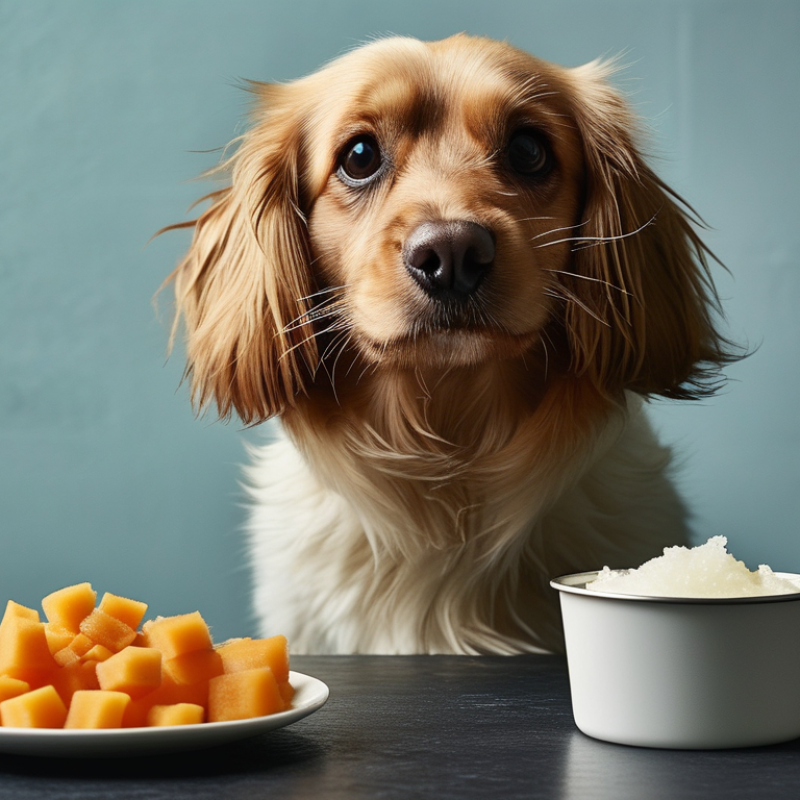
When introducing new food to your dog's diet, it’s crucial to understand how this can lead to diarrhea. Dogs' digestive systems are sensitive. A sudden change in diet can upset their stomach. New ingredients may not sit well.
Tips for transition: Gradually mix the new food with the old one. Start with 25% of the new food. Slowly increase it over a week. This approach helps your dog’s digestive system adjust. Monitor any reactions during this period. Watch for signs of discomfort or upset stomach.
Ingredient sensitivity is another factor. Some dogs may be allergic to new proteins or grains. Always read food labels carefully. Be aware of common allergens that might affect your dog. If diarrhea persists, consult your veterinarian. They can provide tailored advice based on your dog’s health needs.
When dogs experience diarrhea after a diet change, several symptoms may manifest. Signs like watery stools and increased frequency of bowel movements are common. According to a report by the Association of American Feed Control Officials (AAFCO), food changes can disrupt a dog's digestive system. It’s crucial to monitor for other symptoms too. Vomiting, lethargy, and visible discomfort may accompany diarrhea.
Many pet owners notice other behaviors. Some dogs may show signs of dehydration, such as dry gums or decreased skin elasticity. The Merck Veterinary Manual states that diarrhea can lead to rapid fluid loss, making it essential to offer fresh water. Additionally, a change in appetite might occur. Some dogs refuse food entirely, while others may overeat in an attempt to feel better.
Veterinarians often recommend a gradual food transition. Sudden changes can overwhelm a dog’s gut bacteria. A study published in the Journal of the American Veterinary Medical Association (JAVMA) suggests that up to 30% of dogs can experience diarrhea due to new food. Taking time during a transition helps maintain digestive balance. It's essential to reflect on the specific food changes made and the dog's response, as each dog reacts differently.
Identifying the right dog food is crucial. When switching to new food, pet owners should watch for allergic reactions. Diarrhea is a common symptom of food allergies in dogs. According to a 2021 study, around 10% of dogs experience food allergies at some point in their lives.
When choosing new food, look for common allergens. Ingredients like chicken, beef, and dairy often trigger reactions. Some dogs may be sensitive to grains or specific additives. A registered veterinary nutritionist suggests introducing new foods gradually. This method helps spot potential allergens before severe reactions occur.
Pay attention to your dog's stool. Diarrhea that persists can signal a deeper issue. Keeping a food diary can help track changes in diet and health. Many dog owners overlook the importance of ingredient transparency. A clear label aids in identifying hidden allergens. If diarrhea continues, consult a veterinarian for tailored advice.
| Food Type | Potential Allergens | Symptoms Indicator | Recommended Action |
|---|---|---|---|
| Chicken & Rice | Chicken, Rice | Loose stool, Gas | Switch to hypoallergenic diet |
| Beef & Vegetable | Beef, Carrots | Diarrhea, Vomiting | Consult a vet, try novel protein |
| Fish Meal | Fish | Bloating, Itching | Eliminate fish, use alternative protein |
| Grain-Free Formula | Sweet Potato, Peas | Loose stools, Skin issues | Assess for sensitivity, consider grains |
| Lamb & Rice | Lamb, Rice | Diarrhea, Paw licking | Switch to different protein source |
When introducing a new food to your dog, several factors can impact their digestive response. A dog's digestive system may react differently based on their age and health status. For example, puppies often lack the mature enzymes necessary to digest complex ingredients. This can result in gastrointestinal upset, including diarrhea.
Additionally, a dog's previous diet will influence how they handle new food. A stark change in diet can disrupt gut flora. A study from the Journal of Veterinary Internal Medicine reveals that sudden transitions can increase the risk of diarrhea by up to 50%. Gradual transitions are advised, allowing time to adjust and minimize disruptions.
Food allergies or intolerances also play a critical role. Many dogs are allergic to common proteins like beef or chicken. According to the American College of Veterinary Internal Medicine, approximately 10% of dogs may experience food allergies, which can lead to digestive issues. Paying attention to ingredient labels is essential. Observing your dog's response over time can also shed light on potential dietary sensitivities.
Diarrhea in dogs can stem from diet changes. A sudden switch to new food can upset their digestive system. According to the American Kennel Club, food intolerance affects around 10% of dogs. Recognizing the signs of gastrointestinal distress is crucial. You may notice watery stools, frequent bathroom trips, or even vomiting. These symptoms may indicate the need for veterinary attention.
Consult a veterinarian if diarrhea persists for more than 24 hours. Prolonged diarrhea may lead to dehydration, which is a serious concern. The Merck Veterinary Manual highlights that dehydration can occur rapidly in dogs. Signs to watch for include lethargy, dry gums, and decreased skin elasticity. If any of these symptoms develop, seeking professional help becomes imperative.
Monitor your dog's overall behavior and eating habits. Sometimes, subtle changes can indicate deeper issues. A dog's discomfort may not be immediately obvious. Engage with your veterinarian to provide detailed observations. This collaboration can lead to effective treatment and recovery. Understanding the reasons behind your dog's diarrhea will aid in making informed decisions for their health.
: New food can upset a dog's sensitive digestive system. This may lead to diarrhea.
Gradually mix new food with the old. Start with 25% new food, then increase over a week.
Dogs can be allergic to certain proteins or grains. Always read ingredient labels carefully.
Puppies may lack mature enzymes, causing gastrointestinal upset. This can lead to diarrhea.
If diarrhea lasts more than 24 hours, seek professional help. Prolonged diarrhea can cause dehydration.
Look for lethargy, dry gums, or decreased skin elasticity. These are serious concerns.
A drastic change can disrupt gut flora. It may increase the risk of diarrhea significantly.
Watch for subtle changes in eating habits and overall behavior. This can indicate deeper issues.
Yes, approximately 10% of dogs may have food intolerances or allergies. Pay attention to their reactions.
Reading food labels is essential. It helps identify allergens and potential dietary sensitivities.
Understanding why your dog has diarrhea after new food can be crucial for maintaining their health. Diarrhea can often occur when introducing a new diet due to several factors, including the ingredients in the food, which may contain allergens or irritants not previously encountered by your dog. Common symptoms of diarrhea can include loose stools, increased frequency of bowel movements, and potential abdominal discomfort. Recognizing these signs early can help you determine if the new food is the cause of the issue.
Moreover, individual dogs may respond differently to dietary changes based on their unique digestive systems and sensitivities. If you notice persistent diarrhea after switching to a new food, it’s important to consider potential allergens and how they may impact your pet’s digestion. Ultimately, if your dog's diarrhea persists beyond a few days or is accompanied by more severe symptoms, consulting a veterinarian can be essential for proper care and a tailored dietary solution.

Nill Paws