Explore our leading veterinary-grade custom formulations engineered for optimal metabolic absorption and physiological support.
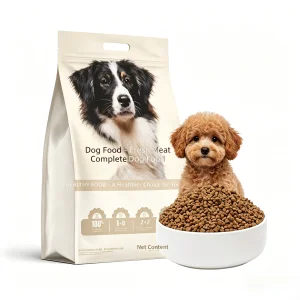
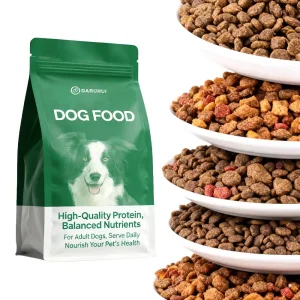
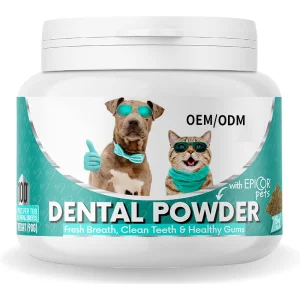
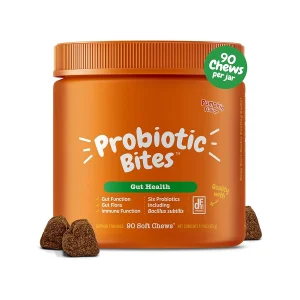
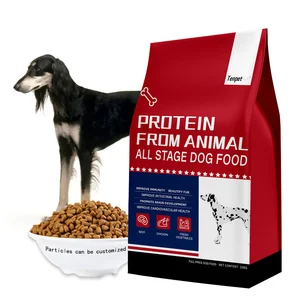
In modern veterinary science, the dietary balance of Polyunsaturated Fatty Acids (PUFAs)—specifically the ratio between Omega-6 and Omega-3 fatty acids—has shifted from a general health recommendation to a precise therapeutic benchmark. As a premier global Custom OEM Balanced Omega Ratios for Pets Exporter, we recognize that wild canids and felids historically consumed diets with lipid ratios hovering between 1:1 and 4:1. However, modern commercial pet food processing regularly displays ratios exceeding 20:1 or even 30:1, heavily skewed toward inflammatory Omega-6 pathways. Addressing this imbalance through advanced lipid stabilization and custom-engineered marine and botanical lipid delivery systems is essential for preventing chronic metabolic, cutaneous, and joint diseases in companion animals.
Key Insight: The efficacy of Omega-3 integration is not merely a question of quantity, but of chemical structure and molecular stability. True bioavailability requires balancing Eicosapentaenoic Acid (EPA) and Docosahexaenoic Acid (DHA) with Alpha-Linolenic Acid (ALA) and Linoleic Acid (LA) to match the unique metabolic pathways of canine and feline biology.
The global demand for high-performance pet foods is undergoing a structural transition. Consumers are moving away from basic "high-protein" claims toward "functional cellular health." This macro trend is heavily focused on cognitive development, dermatological integrity, and inflammation control. The international market has witnessed a surge in regulatory standards, driven by agencies like AAFCO and FEDIAF, which are progressively updating guidelines to specify minimum profiles for DHA and EPA in growth and reproduction stages.
As exporters, we observe that localized market preferences vary significantly:
Understanding the physiological constraints of companion animals is essential for designing high-performance pet diets. Dogs possess the desaturase enzymes ($\Delta^5$ and $\Delta^6$ desaturase) necessary to convert plant-derived Alpha-Linolenic Acid (ALA, 18:3n-3) into active EPA (20:5n-3) and DHA (22:6n-3). However, this conversion rate is highly inefficient, typically converting less than 10% of dietary ALA into functional EPA.
Conversely, domestic cats are obligate carnivores with virtually absent $\Delta^6$ desaturase activity. They cannot synthesize EPA and DHA from plant oils. Consequently, feline formulations must contain direct, highly bioavailable marine sources of pre-formed EPA and DHA. Our custom OEM services provide precise adjustments to these ratios based on the target species:
Formulated to support the epidermal lipid barrier, reduce transepidermal water loss (TEWL), and manage symptoms of atopic dermatitis.
Enriched with high DHA concentrations to support retinal development in puppies/kittens and manage cognitive decline in senior pets.
Utilizes ultra-high concentration EPA to inhibit aggrecanase and matrix metalloproteinases (MMPs), protecting articular cartilage.
One of the primary difficulties in manufacturing pet foods with balanced Omega-3 profiles is the chemical vulnerability of polyunsaturated fatty acids. PUFAs contain multiple double bonds, making them highly susceptible to autoxidation when exposed to heat, light, and oxygen during extrusion. This oxidation process produces harmful hydroperoxides, aldehydes, and ketones, which compromise the nutritional profile and can lead to organ damage in pets.
Our manufacturing protocols employ a multi-layered preservation strategy to mitigate lipid oxidation:
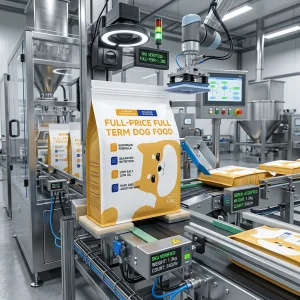
Combining scientific research and advanced machinery to deliver high-quality, customized pet nutrition solutions on a global scale.
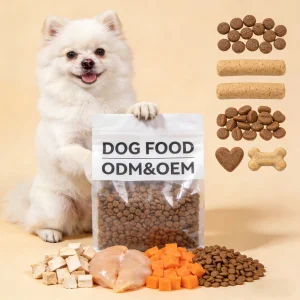
Qingdao Nill Paws Co., Ltd. is a professional Pet Food Manufacturer specializing in natural and nutritional dog and cat food solutions with full OEM/ODM capabilities for global pet brands. Established in 2011, the company has developed into a modern pet nutrition factory integrating R&D, production, quality control, packaging, and international distribution.
The company operates a manufacturing base covering approximately 32,000 square meters, including 18,500 square meters of production workshops and 8,000 square meters of smart warehouse facilities. With a workforce of around 280 employees, including 18 professional pet nutritionists and food engineers, Nill Paws ensures strong innovation and stable product quality. The factory is equipped with 6 advanced automated production lines, with an annual production capacity of up to 18,000 tons of pet food.
Over the years, Qingdao Nill Paws Co., Ltd. has expanded its product portfolio from basic dry pet food to a full range of grain-free nutrition formulas, high-protein diets, functional pet food, freeze-dried nutrition, and sensitive stomach solutions. The company follows strict international quality standards such as HACCP and ISO-based production management systems. Since 2017, the company has focused on OEM/ODM services, providing private label solutions for clients in Europe, North America, Southeast Asia, and the Middle East. Continuous investment in smart manufacturing and nutritional R&D has enabled Nill Paws to become a reliable global supplier in the pet food industry. Today, Qingdao Nill Paws Co., Ltd. is positioned as a trusted partner for pet nutrition brands seeking stable quality, flexible customization, and scalable production capacity in the global pet food market.
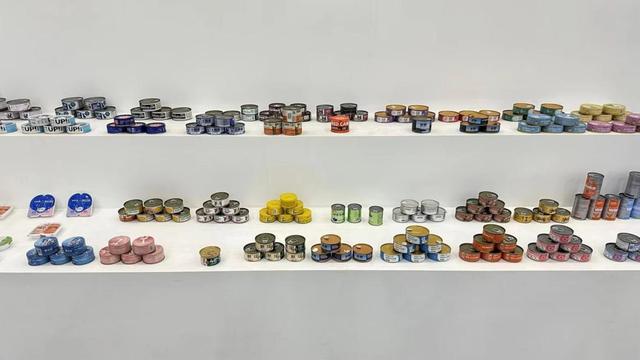
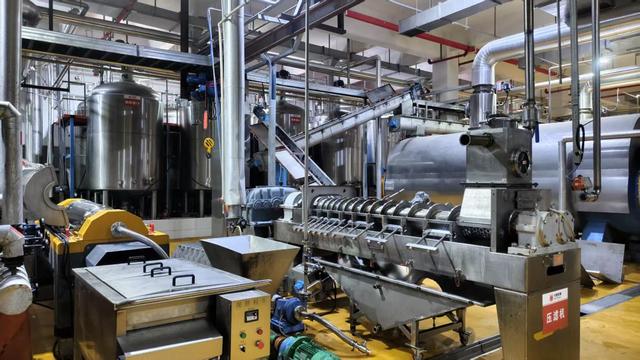
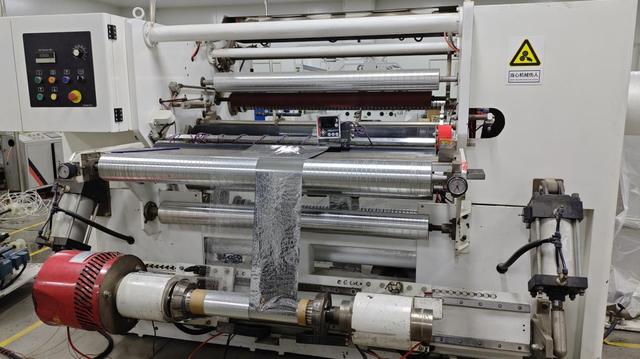
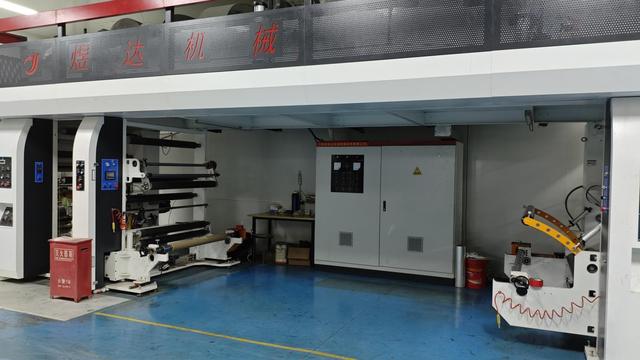

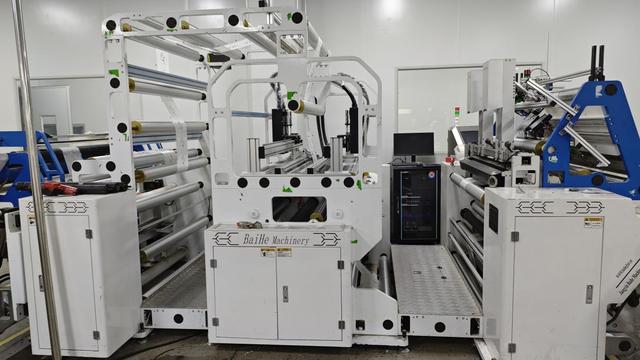

To maintain our position as a leading OEM exporter, Nill Paws continuously upgrades its lipid processing technologies. Our current technical roadmap focuses on addressing three key challenges: bioavailability, sustainability, and oxidation protection.
By enclosing fish and krill oils in a micro-matrix of protective proteins and carbohydrates, we prevent direct exposure to oxygen and heat during the initial manufacturing stages. This physical barrier ensures that active EPA and DHA molecules remain intact until they reach the pet's digestive tract, maximizing nutritional value and palatability.
In response to growing environmental awareness and the rising cost of marine-harvested oils, we are scaling the use of bio-fermented heterotrophic microalgae. These algae produce high concentrations of EPA and DHA in controlled, sustainable environments. Microalgae-based lipid systems offer excellent purity, free from heavy metal contamination, while reducing pressure on marine ecosystems.
Our R&D team is working on nanostructured lipid carriers (NLCs) to improve nutrient absorption. These carriers are designed to bypass initial breakdown in the stomach, releasing essential fatty acids directly in the small intestine. This targeted delivery is especially beneficial for senior pets and animals with compromised digestive systems.
Addressing key industrial, biochemical, and operational questions for global brands and pet food importers.
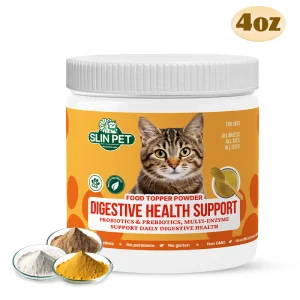
Complete your product line with our premium wet foods, treats, and targeted nutritional supplements.
 Nill Paws