Top 10 Protein Sources for Pets Manufacturers & Exporters

Scientific Formulation, Industrial Scaling & Global Supply Chain Resiliency for Premium Pet Brands

Executive Summary: The Protein Paradigm in Modern Pet Food Manufacturing

The global pet food industry is undergoing an unprecedented shift toward premiumization, driven by the anthropomorphization of pets and a heightened consumer awareness of animal nutrition. Central to this paradigm is the demand for premium, traceable, and highly functional protein sources. For pet food brand owners, manufacturers, and exporters, choosing the right protein is no longer just a pricing decision—it is a critical formulation variable that affects digestibility, hypoallergenic positioning, technical stability, and regulatory compliance across diverse international markets.

As a leading partner in pet nutrition R&D and supply chain optimization, Qingdao Nill Paws Co., Ltd. produces high-performance dietary solutions that cater to this dynamic environment. Utilizing advanced dry-extrusion, fresh-meat injection, and state-of-the-art freeze-drying systems, we empower global brands to leverage high-bioavailability proteins while keeping processing overheads low. Below, we provide a definitive, technical overview of the Top 10 Protein Sources for Pet Food Manufacturing, mapping out their chemical properties, manufacturing behaviors, and strategic commercial roles.

Top 10 Protein Sources Analysed for Pet Food Formulation

The table and comprehensive breakdown below detail the amino acid profiles, processing considerations, and suitability factors for the leading proteins used by global exporters and manufacturers.

01

Dehydrated Poultry Meal (Chicken/Turkey)

Bioavailability: High Crude Protein: 65% - 70%
Chicken and turkey meals remain the backbone of the industry. They offer an ideal ratio of essential amino acids (methionine, lysine) relative to cost. Low-ash variants are crucial to minimize mineral overload and protect renal health in senior pets.
02

Fresh/Frozen Muscle Meats (Beef, Pork)

Bioavailability: Very High Palatability: Premium
Direct injection of fresh beef or pork into twin-screw extruders improves kibble texture and taste. These red meats provide valuable iron, zinc, and B-vitamins, forming the base of premium "grain-free" or "ancestral diet" positionings.
03

Marine Fish Meal (Salmon, Herring, Menhaden)

Bioavailability: High Omega-3 Profile: Excellent
Apart from providing high-quality protein, marine cold-water fish are rich in DHA and EPA, which support brain development and coat health. Highly recommended for puppy, kitten, and dermatological formulas.
04

Hydrolyzed Proteins (Chicken/Soy)

Bioavailability: Exceptional Hypoallergenic: Yes
By enzymatically cleaving large proteins into smaller peptides (typically under 10,000 Daltons), hydrolyzed protein sources bypass the immune response. They are the gold standard for therapeutic diets targeting food sensitivities and inflammatory bowel disease.
05

Lamb Meal

Bioavailability: High Novelty Status: Medium
Lamb meal serves as a classic alternative protein for dogs exhibiting adverse reactions to poultry or beef. It is rich in L-carnitine, which supports muscle maintenance and metabolic health.
06

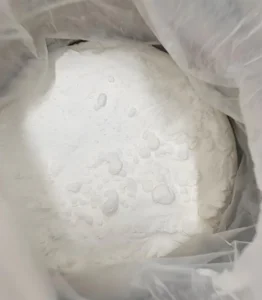
Whole Egg Powder

Bioavailability: 100% (Reference) Functional Lipids: High
Egg protein has the highest biological value of any natural protein source, boasting a complete amino acid profile. It is also an excellent source of lutein, zeaxanthin, and choline, which support brain function and vision.
07

Insect Meal (Black Soldier Fly Larvae / Crickets)

Bioavailability: High Sustainability: Exceptional
Insect-based proteins represent a highly sustainable alternative for eco-conscious brands. They contain anti-microbial peptides (AMPs) and lauric acid, promoting gut health and reducing ecological footprints compared to conventional animal husbandry.
08

Venison & Duck (Exotics/Hypoallergenics)

Bioavailability: High Novelty Status: High
Duck and venison are lean proteins that are rarely associated with common canine/feline food allergies. They are perfect for rotation diets or single-source protein formulas designed to support digestive health.
09

Pea & Potato Protein Isolates

Bioavailability: Moderate Vegan Friendly: Yes
Concentrates derived from peas and potatoes offer high levels of lysine and tryptophan. When blended with complimentary proteins, they provide a balanced amino acid profile suitable for vegan, vegetarian, or grain-free diets.
10

Antarctic Krill & Single-Cell Yeast Proteins

Bioavailability: High Functional Perks: Excellent
Krill meal is rich in marine phospholipids and astaxanthin, a potent antioxidant. Single-cell yeast proteins provide beta-glucans and nucleotides to support cellular repair and strengthen immune systems.

Technical Comparison Matrix: Digestibility and Processing Performance

Protein Category Digestibility Coefficient Common Dry Ash Range Typical Moisture Inclusion Limit Primary Regulatory Alignment
Chicken Meal (Low Ash) 88% - 92% < 10% Up to 35% in Pre-Conditioner AAFCO / FEDIAF compliant
Fresh Beef / Pork 90% - 94% N/A (Wet) Up to 80% (Via Fresh-Meat Injection) USDA / GACC approved sourcing
Hydrolyzed Feather/Poultry 94% - 98% < 4% Up to 15% (Powder Additive) EU Regulation 142/2011 compliant
BSFL (Insect Meal) 84% - 89% 6% - 8% Up to 20% in Master Mix AAFCO Tentative / EU Approved
Pea Protein Isolate 80% - 85% < 5% Up to 25% (Requires Amino Balancing) Globally accepted

Manufacturing Technology Roadmap & Processing Milestones

The production of premium pet food requires a precise, temperature-controlled manufacturing process to preserve the nutritional value of heat-sensitive proteins. Below is the technical roadmap followed by modern factories like ours:

Phase 01: High-Pressure Liquid Injection

Raw Material Preparation & Homogenization

Fresh and frozen meats are emulsified using high-shear pumps at 4°C, preventing bacterial growth while ensuring a consistent, pumpable slurry for direct extruder injection.

Phase 02: Thermal Twin-Screw Extrusion

Short-Time High-Temperature (HTST) Cooking

The starch matrix is gelatinized and proteins are structured under high pressure (30–40 bar) and temp (110°C–130°C) for 15–30 seconds. This sterilizes the kibble while preserving essential amino acids.

Phase 03: Vacuum Infusion & Fat Coating

Palatability and Lipid Application

Under negative pressure, lipids and heat-sensitive digests are pulled deep into the micro-pores of the extruded kibble, securing consistent nutrient delivery without oily surfaces.

Chinese Supply Chain Resilience & Customization Capabilities

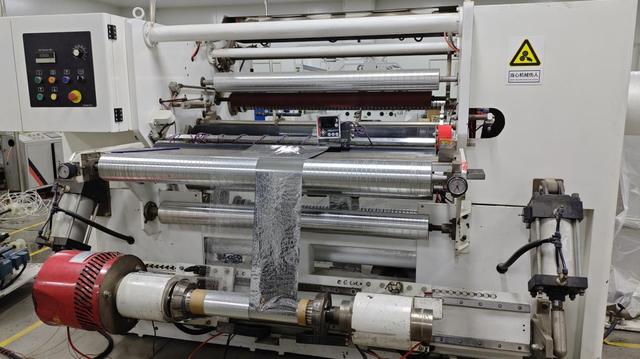
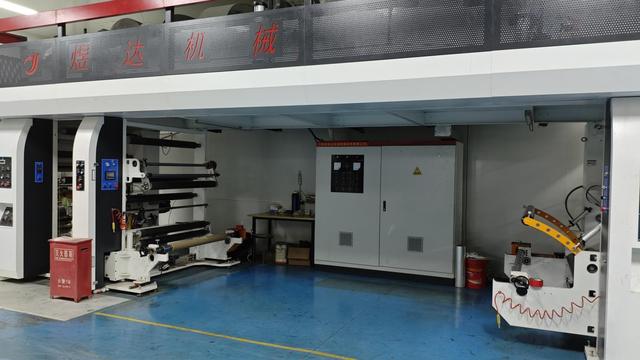
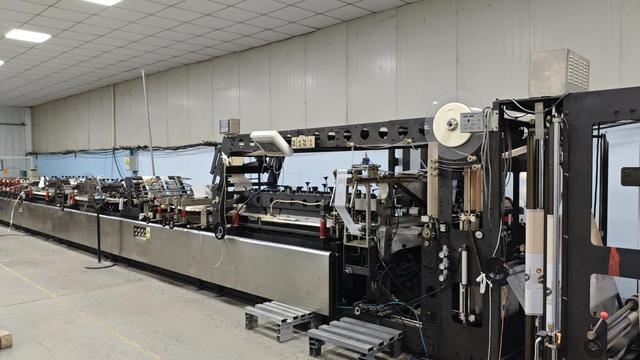
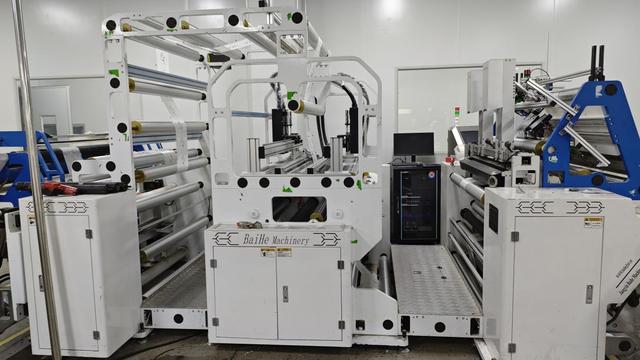
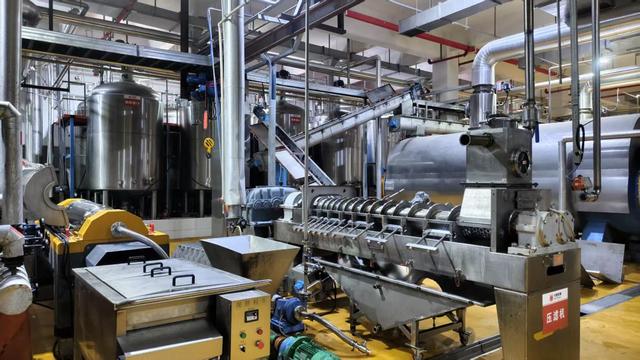
As international supply chains face persistent bottlenecks, Chinese pet food manufacturers present a robust and reliable option for global sourcing. Headquartered in Qingdao, a major deep-water logistics hub, Qingdao Nill Paws Co., Ltd. offers a reliable supply chain backed by high-capacity, state-of-the-art facilities.

Operating a production footprint of 32,000 square meters, our facilities include 18,500 square meters of production workshops and 8,000 square meters of smart warehouse facilities. The integration of high-throughput automated machinery with digital tracking ensures consistent production scheduling, shielding our international partners from market volatility and raw material delays.
18,000T
Annual Capacity
18+
Nutrition Specialists
6 Lines
Automated Production
280+
Skilled Team Members

Localized Application & Regulatory Alignment

Pet nutrition requirements and ingredient preferences vary significantly by region. Exporters must tailor their protein choices to local market conditions and regulations:

  • North American Market (USA & Canada): High demand for single-source novel proteins (such as duck, venison, or wild-caught fish) and strict compliance with AAFCO standards. Grain-free options remain popular but require careful amino acid balancing with taurine.
  • European Union Market: Focused on sustainability, traceability, and organic certifications. Insect-based proteins (such as BSFL) and hydrolyzed ingredients are highly valued. Products must comply with FEDIAF regulations and Category 3 material standards.
  • Asia-Pacific & Domestic Chinese Markets: Strong interest in freeze-dried inclusions, high meat content, and functional additives that target specific concerns like tear stain reduction, hairball control, and joint care.

Qingdao Nill Paws Co., Ltd. works under rigorous international quality management systems, including HACCP and ISO 9001/22000. This comprehensive compliance structure ensures smooth customs clearance and regulatory alignment in major importing regions globally.
Frequently Asked Questions: Protein Sourcing & Manufacturing

How does Nill Paws control the ash content in high-protein dry pet food?
We partner with certified raw material suppliers to source low-ash chicken and fish meals (typically keeping ash content under 10% dry matter). High ash levels can lead to excessive calcium and phosphorus, which may affect renal health in cats and dogs over time.
What is the maximum percentage of fresh meat that can be added to your dry kibble?
With our advanced twin-screw extrusion and fresh-meat injection technology, we can incorporate up to 80% fresh meat into our premium formulations. This system processes the meat slurry directly, preserving natural flavor and improving kibble density.
Do you offer custom OEM/ODM services for hypoallergenic and veterinary diets?
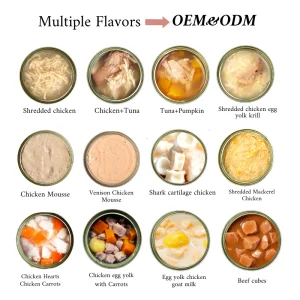
Yes. Our team of 18 pet nutritionists and food engineers develops targeted formulas using hydrolyzed proteins (such as chicken liver and soy) and novel protein sources (including duck, venison, and insect meal) to address food sensitivities and digestive health.
What export certifications does Qingdao Nill Paws Co., Ltd. maintain?
We operate under HACCP and ISO-based production management systems. Our raw material sourcing and manufacturing practices meet standard requirements for export to North America, Europe, Southeast Asia, and the Middle East.