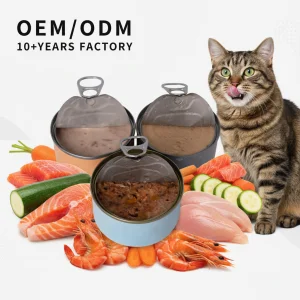
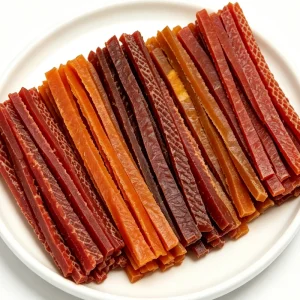
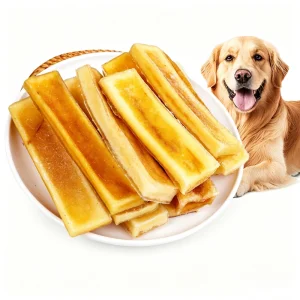
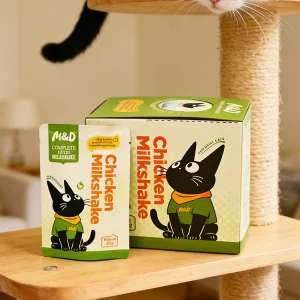
Over the last decade, the pet food industry in Bangladesh has undergone a dramatic transformation. What was once considered a niche interest in metropolitan areas like Dhaka and Chittagong has matured into a burgeoning, highly profitable market segment. Pet humanization—the practice of treating pets as family members—has driven pet owners to seek high-quality, nutritionally complete diets for their companion animals, pushing traditional home-cooked scraps aside in favor of scientifically formulated meals.
In Bangladesh, urban pet parents are increasingly seeking organic and natural pet food options. As disposable incomes rise and access to digital platforms increases, awareness regarding the adverse effects of synthetic preservatives, artificial colorings, and chemical-heavy fillers has grown. Consequently, the local demand for specialized grain-free recipes, single-source protein formulas, and high-protein wet canned foods has experienced double-digit compound annual growth rates (CAGR).
However, despite this surging demand, the local manufacturing sector in Bangladesh for pet food faces structural bottlenecks. The majority of raw biological inputs, specialized manufacturing lines (like high-shear extruders), and testing facilities required to produce verified organic pet food are not widely available domestically. This disparity has turned Bangladesh into a major importing market, creating a massive opportunity for global distributors, wholesalers, and private labels who leverage high-efficiency manufacturing partners in China.
Formulating pet food for Bangladesh presents unique environmental challenges, primarily because of the country’s high temperature and humidity (monsoon climate). This climate promotes rapid oxidation, nutrient degradation, and mold growth if formulas are not scientifically balanced. Key technical elements that global and local brand owners must consider include:
In highly humid regions, dry kibble and treats absorb ambient moisture quickly. Leading manufacturers like Qingdao Nill Paws Co., Ltd. target a precise water activity level of below 0.60 to prevent the colonization of molds and mycotoxins without resorting to chemical preservatives. We use premium natural humectants and multi-layered high-barrier foil packaging designed specifically to maintain product integrity in tropical climates.
Urban pet owners in Bangladesh frequently encounter pets with food sensitivities. High-protein, grain-free limited ingredient diets (LID) utilizing single-source animal protein (such as duck or turkey) are increasingly sought after. Ensuring that raw proteins are processed below critical shear temperatures prevents the denaturation of vital amino acids, keeping high-digestibility ratings intact for sensitive companion animals.
To preserve natural fats in organic formulations, chemical preservatives like BHA and BHT are strictly avoided. Instead, Nill Paws incorporates tocopherols (Vitamin E) and rosemary extract to prevent lipid oxidation naturally, ensuring that the shelf life remains stable for up to 18-24 months under standard storage conditions in Bangladesh warehouses.
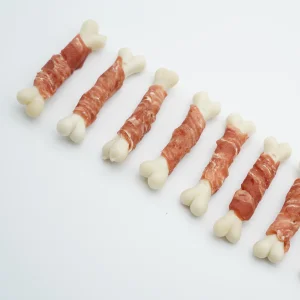
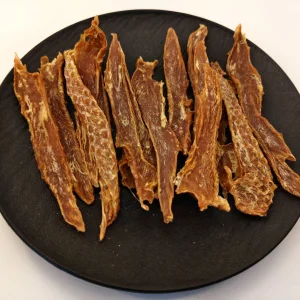
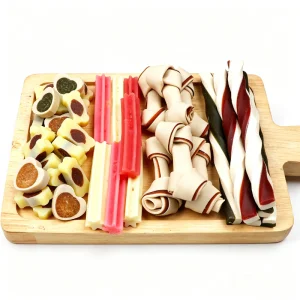
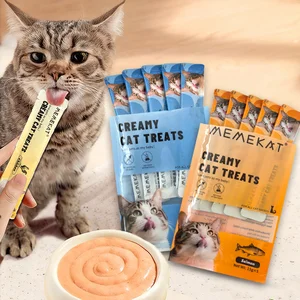
For brands operating in Bangladesh, maintaining a resilient and cost-effective supply chain is crucial. Working directly with Qingdao Nill Paws Co., Ltd. offers a clear operational advantage. Founded in 2011, Nill Paws has scaled to become a premium tier-one pet food OEM/ODM manufacturer, utilizing high-precision smart infrastructure that bridges the gap between raw organic farming and global distribution networks.
Our production advantage is built on several key factors:
Total Manufacturing Base
Annual Production Capacity
Senior Nutritionists & Engineers
Automated Smart Production
Operating a pet food brand in Bangladesh requires navigating complex regulatory frameworks. Import policies enforced by the Ministry of Fisheries and Livestock (MoFL) and the Bangladesh Standards and Testing Institution (BSTI) demand strict documentation of animal health certificates, organic ingredients verification, and trace chemical limits.
In a majority Muslim nation like Bangladesh, the demand for Halal compliance in domestic spaces extends to pet products. Modern pet owners are highly sensitive to the raw materials used in pet food. Ensuring that the products do not contain non-Halal ingredients (such as pork derivatives) is critical for local market penetration. Nill Paws maintains strict isolation in ingredient sourcing, verification of animal slaughter processes for meat components, and certification to satisfy both local consumers and customs requirements.
Bangladesh customs authorities require explicit nutritional profiling, clear packaging declarations, and precise batch codes. Our export department handles all necessary documentation, including:
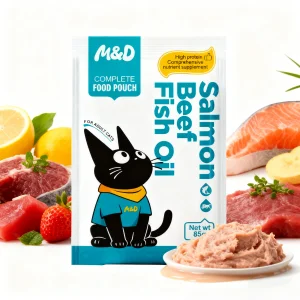
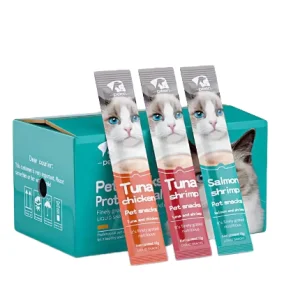
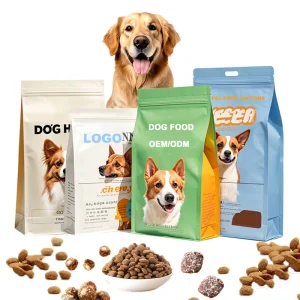
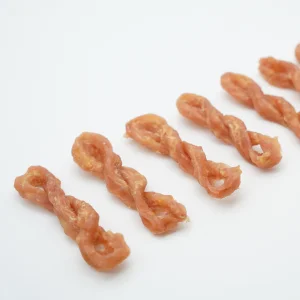
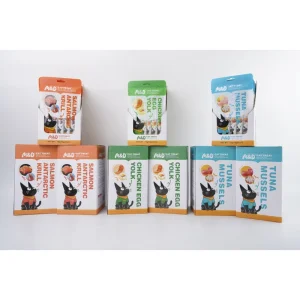
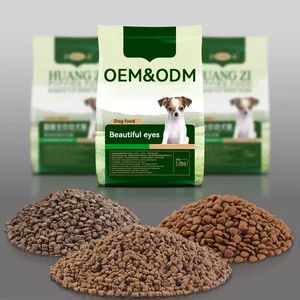
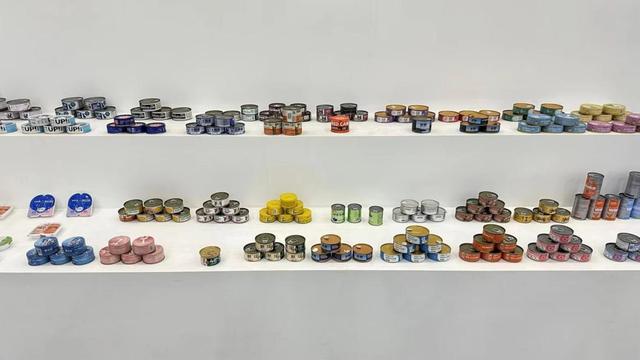
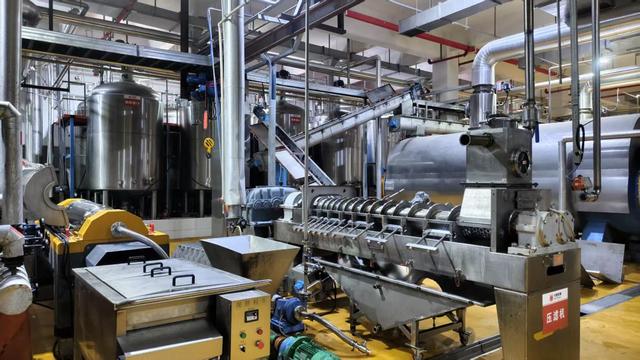
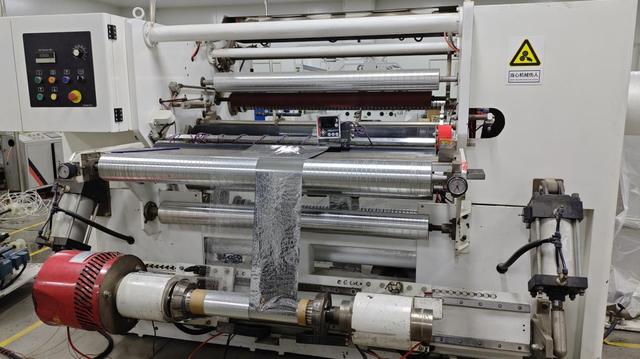
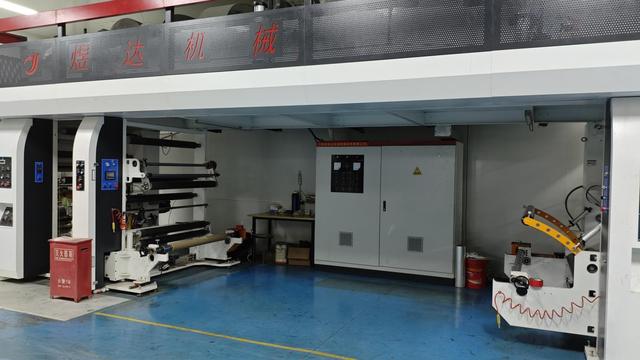
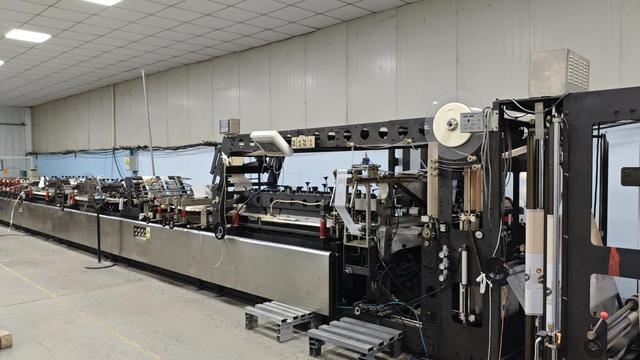
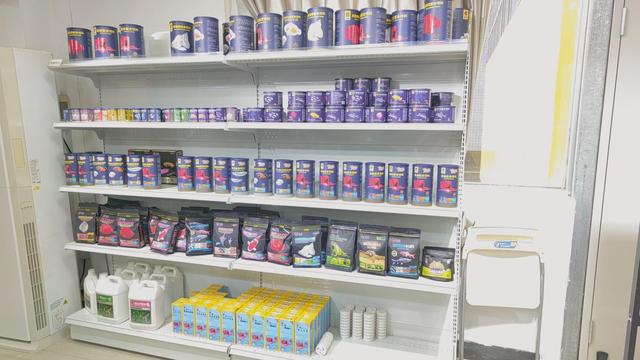
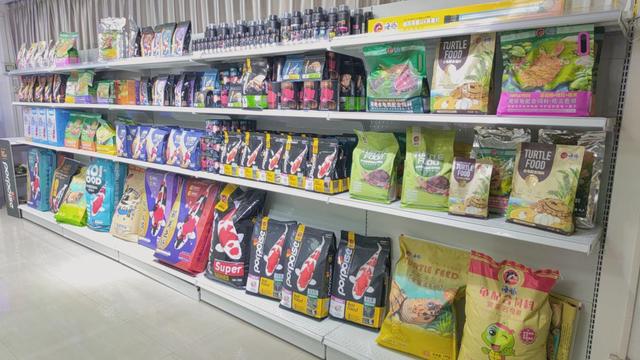
Take a virtual step into the Qingdao Nill Paws advanced manufacturing facility. From state-of-the-art automated raw materials storage to the high-pressure thermal processing lines and dust-free packaging cleanrooms, our facility guarantees that every product satisfies premium international quality standards.


As the global market transitions toward sustainability, pet food manufacturing must evolve. Nill Paws has laid out a technical roadmap (2026–2030) focusing on eco-friendly innovations to lead the premium pet industry:
Understanding gut microbiomes is the next frontier in pet health. We are developing functional pet foods fortified with micro-encapsulated probiotics and prebiotics that withstand thermal extrusion processes, ensuring live bacteria reach the pet's digestive system to support gastrointestinal wellness.
We are phasing in recyclable and compostable monopolymer barrier films that reduce carbon footprints without compromising shelf-life, which is crucial for eco-conscious brand owners in South Asia and Europe.
Driven by the need for hypo-allergenic and sustainable nutrition, we are researching high-protein insect-based ingredients (such as Black Soldier Fly Larvae meal) alongside plant-based meat substitutes. These offer rich amino acid profiles with significantly lower environmental footprints.
 Nill Paws