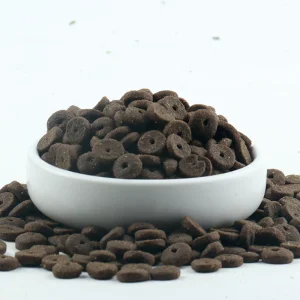
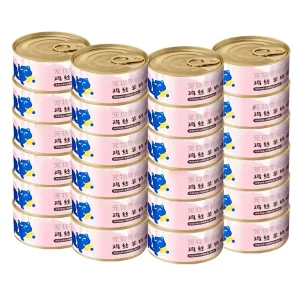
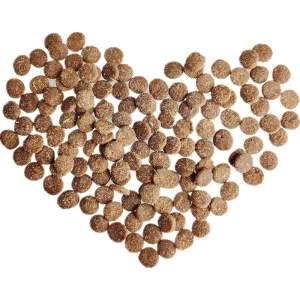
Premium Seattle-grade weight management selections engineered for nutritional adequacy, taste satiety, and healthy metabolic support.
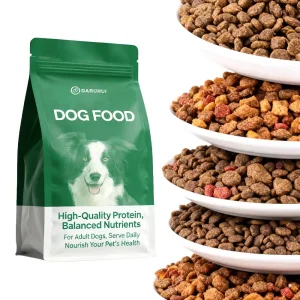
Companion animal obesity has reached epidemic proportions globally, with clinical estimates showing over 56% of dogs and 60% of cats in metropolitan areas are classified as overweight or clinically obese. In pet-centric regions like Seattle and the broader Pacific Northwest (PNW), pet owners prioritize functional, health-conscious diets to support an active lifestyle. Whether running along the Alki Beach trail or hiking the rugged Cascade mountains, maintaining canine and feline joint health through metabolic weight control is a vital consumer demand.
As a leading weight management pet food manufacturer and exporter, we address these specific physiological needs. We deliver products that go beyond simple "calorie restriction." Our research-backed formulas optimize macronutrients, integrate high levels of quality fiber for satiety, and utilize metabolic agents like L-Carnitine to support healthy lipid metabolism and maintain lean muscle mass during weight loss.
Canines Overweight
Felines Overweight
Sqm Production Base
Tons Annual Capacity
A macroeconomic look at the functional pet food industry, export pathways, and premium B2B requirements.
The global demand for functional weight control pet food is experiencing a compound annual growth rate (CAGR) of over 7.8%. Discerning distributors in North America, Europe, and Asia are shifting away from generic grain-heavy diets toward highly tailored, low-glycemic, and grain-free formulas that treat pets as family members.
Seattle serves as a critical maritime and logistical gateway to the Pacific Northwest. Importing directly through the Port of Seattle enables efficient distribution throughout Washington, Oregon, Idaho, and Western Canada. We manage customs clearances, USDA requirements, and shipping routes to keep supply lines operating smoothly.
Exporting pet food to the United States requires compliance with FDA regulations, AAFCO nutritional profiles, and state-level controls. Our manufacturing facilities operate under HACCP protocols and ISO-based production management systems, ensuring clean-label formulations that meet all US import standards.
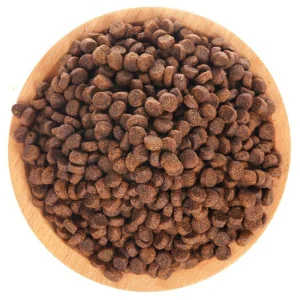
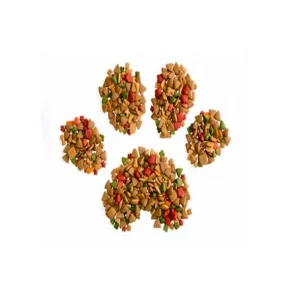
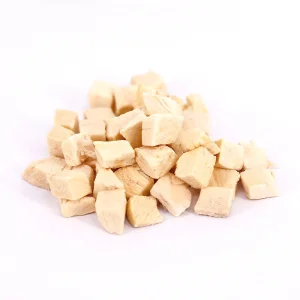
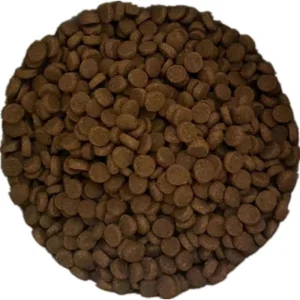
Explore our intermediate line of specialized proteins, slow-baked kibble, and functional freeze-dried diets.
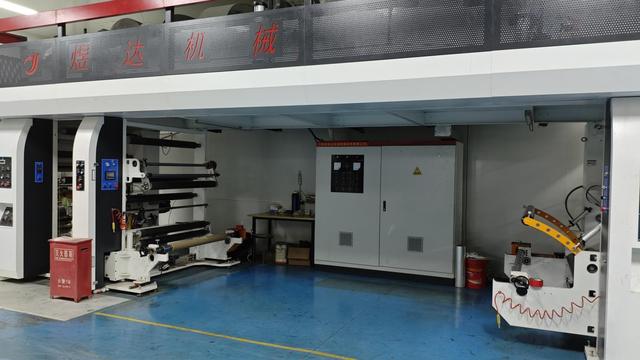
Operating a manufacturing base covering approximately 32,000 square meters, including 18,500 square meters of production workshops and 8,000 square meters of smart warehouse facilities, Qingdao Nill Paws Co., Ltd. is positioned as a trusted partner for pet nutrition brands seeking stable quality, flexible customization, and scalable production capacity.
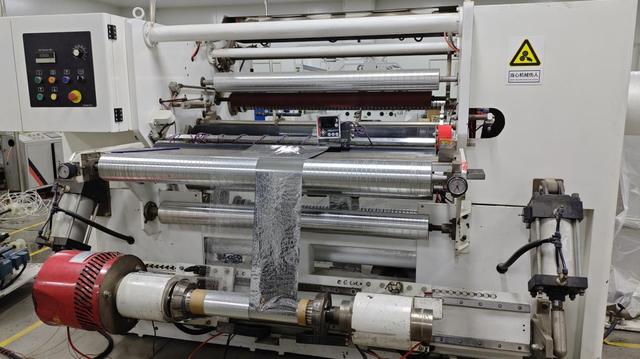
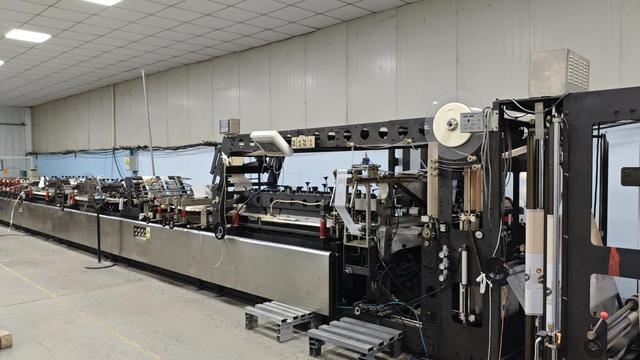
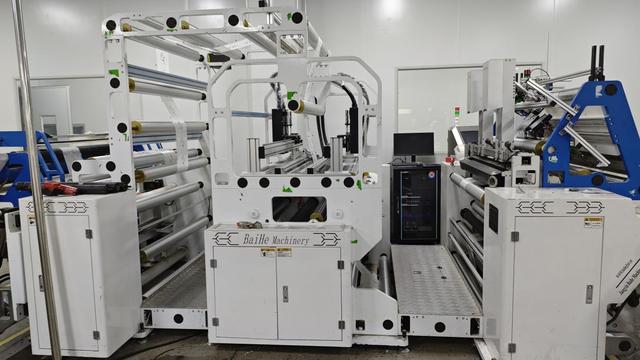
Our workforce of around 280 employees includes 18 professional pet nutritionists and food engineers, ensuring strong R&D innovation and stable product quality. The factory is equipped with 6 advanced automated production lines, with an annual production capacity of up to 18,000 tons of pet food.
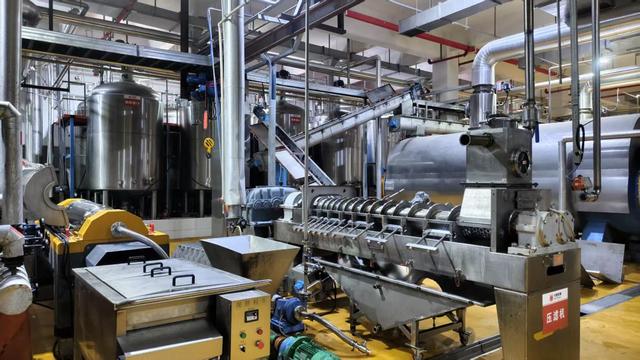
Our automated processing floors, quality testing labs, and high-performance clean packaging rooms are fully integrated to prevent cross-contamination.
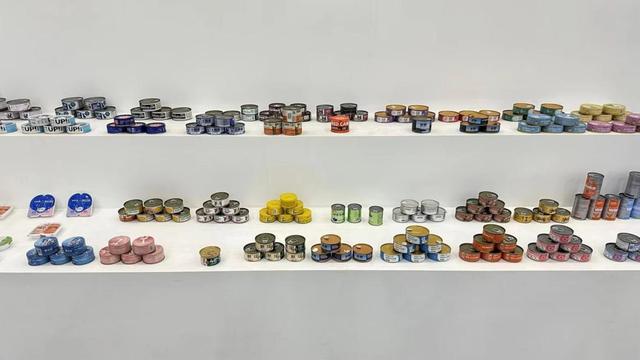

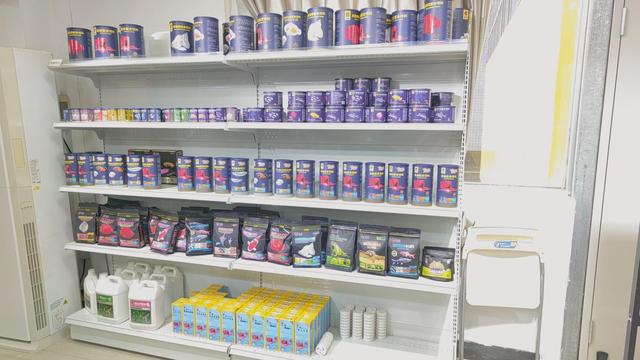
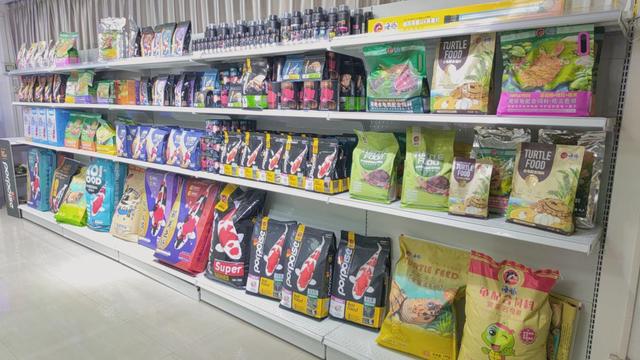
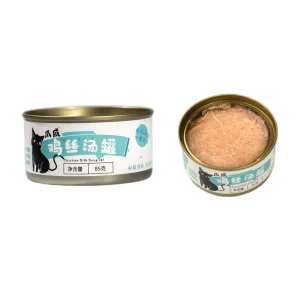
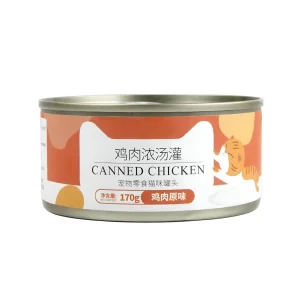
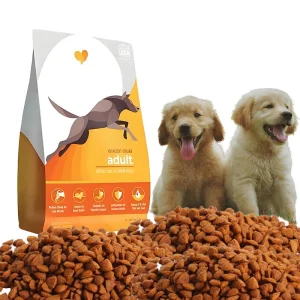
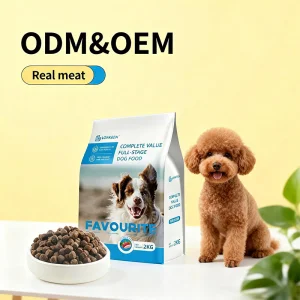
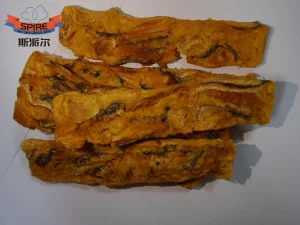
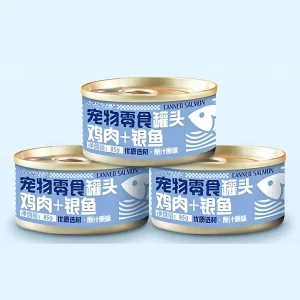
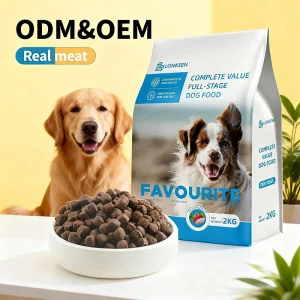
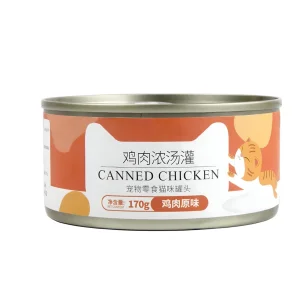
Our complete collection of dry, wet, and raw-alternative diets designed for private label and bulk distribution.
How our veterinary food engineers design low-calorie pet food that keeps companion animals feeling full and energetic.
L-Carnitine is an essential amino acid derivative that acts as a cofactor for the transport of long-chain fatty acids into the mitochondrial matrix. By increasing the rate of fat oxidation, L-Carnitine helps overweight pets utilize stored fats for energy. This action preserves lean muscle mass during calorie restriction, preventing the drop in resting metabolic rate that often causes weight rebound.
We blend soluble and insoluble dietary fibers (such as cellulose, beet pulp, sweet potato, and pea fiber). Soluble fibers slow gastric emptying and modulate postprandial glucose absorption to prevent insulin spikes. Insoluble fibers provide bulk in the gastrointestinal tract, stimulating stretch receptors in the stomach wall to signal fullness (satiety) to the brain without adding empty calories.
Many weight management pet foods use low-cost corn or wheat, which can trigger spikes in blood sugar. Our formulations rely on complex carbohydrates like peas, sweet potatoes, and lentils. These ingredients have a low glycemic index, providing a slow release of glucose into the bloodstream to keep energy levels stable throughout the day.
Frequently asked questions regarding our weight management formulations, international shipping, and OEM/ODM private labeling.
Partner with Qingdao Nill Paws Co., Ltd. for reliable OEM/ODM contract manufacturing, custom weight management formulas, and streamlined supply chain support.
Send Inquiry Now Nill Paws