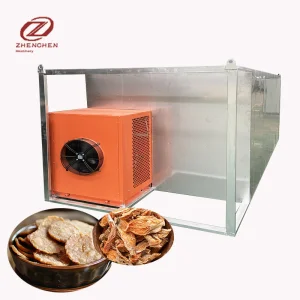
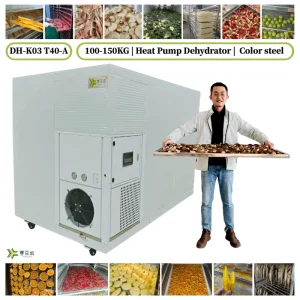
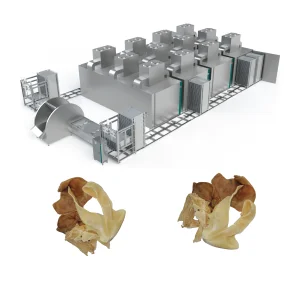
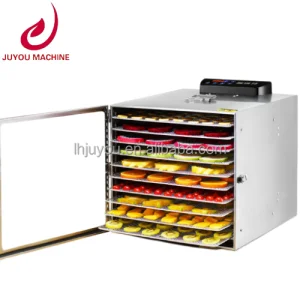
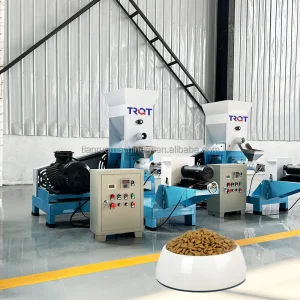
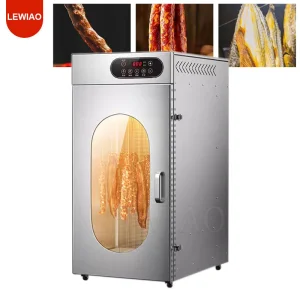
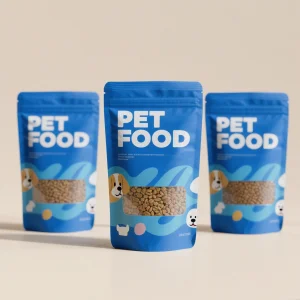
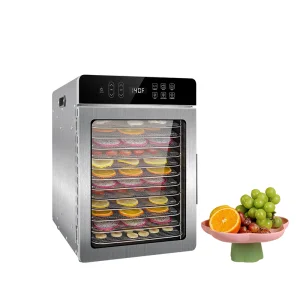
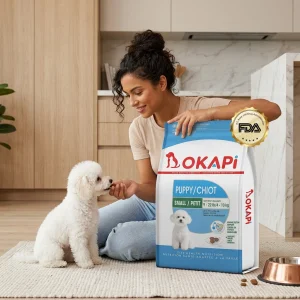
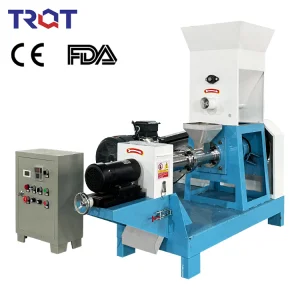
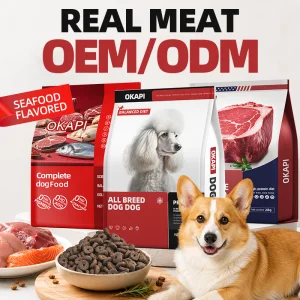
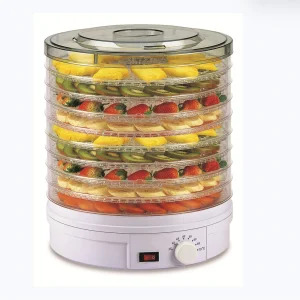
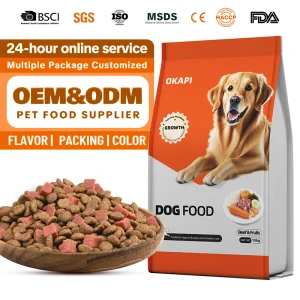
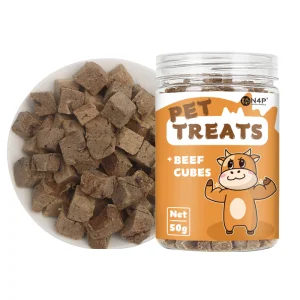
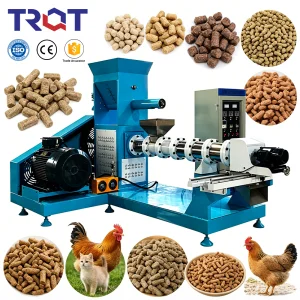
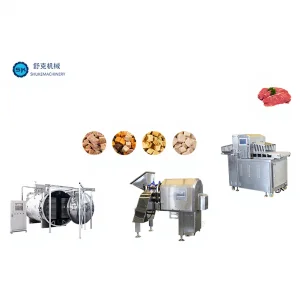
High-efficiency processing units and comprehensive dehydration platforms optimized for Italian pet food production specifications.
Naples, serving as a primary maritime and industrial logistics node of Southern Italy, is witnessing a massive transition in pet consumer behavior. As the capital of Campania, the metropolitan area connects crucial agricultural supply chains to global shipping networks via the Port of Naples (Terminal Flavio Gioia) and nearby Salerno terminals. Historically dominated by conventional dry kibble imports, regional pet food distributors, brands, and private label developers are shifting towards premium, clean-label alternatives—most notably dehydrated pet foods and single-ingredient treats.
This structural change is driven by the European pet food premiumization trend, where pet owners look for human-grade transparency, nutrient retention, and low-carbohydrate diets. However, establishing local production or managing imports of high-protein dehydrated pet food requires strict compliance with both local Italian veterinary guidelines and complex European Commission framework regulations. For importers in Naples, securing raw materials and machinery that align with these standards is critical to establishing sustainable profit margins and brand equity.
Rapid expansion of boutique pet retail chains and premium local brands seeking regional OEM production matching Mediterranean dietary preferences.
Alignment with European Directive (EC) No 1069/2009. Strict bio-security, thermal tracking logs, and salmonella control protocols are mandatory.
Naples' central position enables fluid custom clearance for bulk raw materials and equipment originating from primary Asian manufacturing hubs.
Conventional thermal extrusion often subjects ingredients to high pressures and temperatures exceeding 130°C, which degrades key vitamins, denatures amino acids, and renders proteins less digestible. Dehydrated pet food systems, however, utilize low-temperature, cross-flow air circulation patterns or advanced heat-pump systems.
By maintaining processing temperatures between 55°C and 75°C, moisture is systematically drawn out of the food matrix without disrupting cellular structures. This ensures that delicate compounds—such as omega fatty acids, naturally occurring enzymes, and raw vitamins—remain bio-available for the animal. It also helps preserve natural aromas and flavors, eliminating the need for synthetic flavor enhancers or fat coatings.
| Processing Matrix | Typical Temperatures | Nutrient Preservation Rate | Final Water Activity (Aw) | Naples Market Application |
|---|---|---|---|---|
| Standard Dry Kibble Extrusion | 120°C - 150°C | 45% - 60% | 0.55 - 0.65 | Mass-market retail, economy brands |
| Low-Temp Baked Systems | 80°C - 100°C | 75% - 85% | 0.50 - 0.60 | Mid-tier premium, boutique lines |
| Dehydrated / Air-Drying | 55°C - 75°C | 90% - 95% | 0.45 - 0.55 | Premium biological, single-ingredient treats |
| Freeze-Drying (Lyophilization) | -30°C to 20°C (under vacuum) | 98% - 99% | 0.30 - 0.40 | Ultra-premium, raw alternatives, toppers |
Explore our processing machinery and customized retail packaging components designed for global brand distribution.
When importing dehydrated pet food machinery or finished formulations from global centers, buyers in Southern Italy must assess several critical performance metrics to secure their supply chain.
Electricity and gas pricing in Southern Europe can fluctuate significantly. For plants seeking long-term profitability, evaluating the Coefficient of Performance (COP) of drying equipment is vital. Modern closed-loop heat pump drying systems offer COPs ranging from 3.5 to 4.5. By recycling latent heat from moisture condensation back into the drying chamber, these systems reduce energy consumption by up to 60% compared to traditional open-exhaust electric heaters.
Boutique manufacturers in Campania often start with compact batch-dehydrators (such as 40-tray or 80-tray cabinets). However, as retail volume scales, transitioning to continuous multi-pass belt dehydrators becomes necessary. Ensure that any machinery sourced features modular control interfaces (such as Siemens PLC systems with Profinet protocol integration) to allow new drying components to integrate smoothly with existing packaging lines.
Because pet food ingredients like fresh fish, poultry offal, and organic acids can be highly corrosive, standard steel or low-grade alloys will degrade quickly, risking trace-metal contamination. For long-term durability and regulatory compliance in Italy, all internal chambers, trays, and extrusion screws should be made from food-grade SUS304 stainless steel. Components that contact high-salinity marine ingredients should utilize SUS316 stainless steel.
Qingdao Nill Paws Co., Ltd. is a professional Pet Food Manufacturer specializing in natural and nutritional dog and cat food solutions with full OEM/ODM capabilities for global pet brands. Established in 2011, the company has developed into a modern pet nutrition factory integrating R&D, production, quality control, packaging, and international distribution.
The company operates a manufacturing base covering approximately 32,000 square meters, including 18,500 square meters of production workshops and 8,000 square meters of smart warehouse facilities. With a workforce of around 280 employees, including 18 professional pet nutritionists and food engineers, Nill Paws ensures strong innovation and stable product quality. The factory is equipped with 6 advanced automated production lines, with an annual production capacity of up to 18,000 tons of pet food.
Over the years, Qingdao Nill Paws Co., Ltd. has expanded its product portfolio from basic dry pet food to a full range of grain-free nutrition formulas, high-protein diets, functional pet food, freeze-dried nutrition, and sensitive stomach solutions. The company follows strict international quality standards such as HACCP and ISO-based production management systems.
Since 2017, the company has focused on OEM/ODM services, providing private label solutions for clients in Europe, North America, Southeast Asia, and the Middle East. Continuous investment in smart manufacturing and nutritional R&D has enabled Nill Paws to become a reliable global supplier in the pet food industry.
Today, Qingdao Nill Paws Co., Ltd. is positioned as a trusted partner for pet nutrition brands seeking stable quality, flexible customization, and scalable production capacity in the global pet food market.
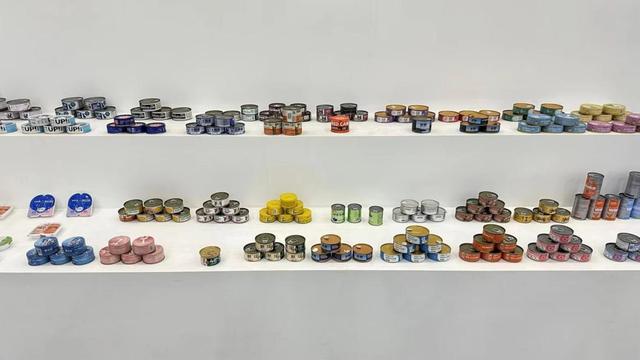
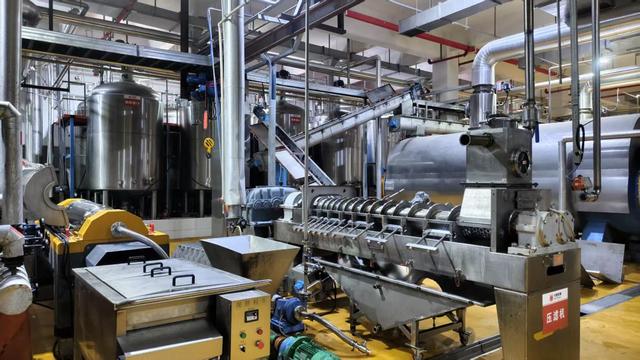
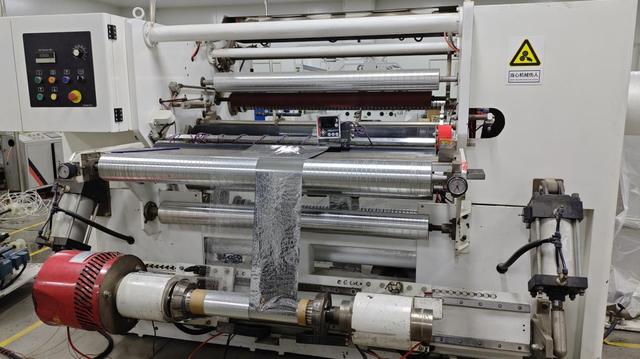
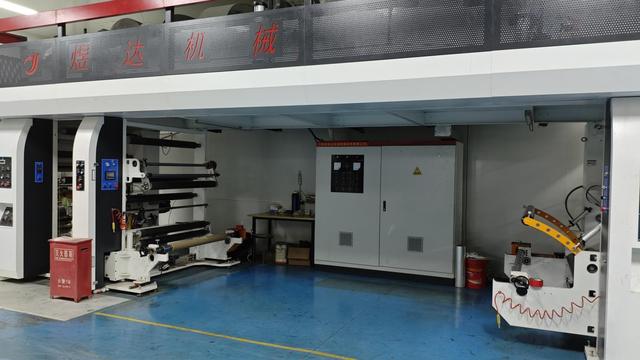
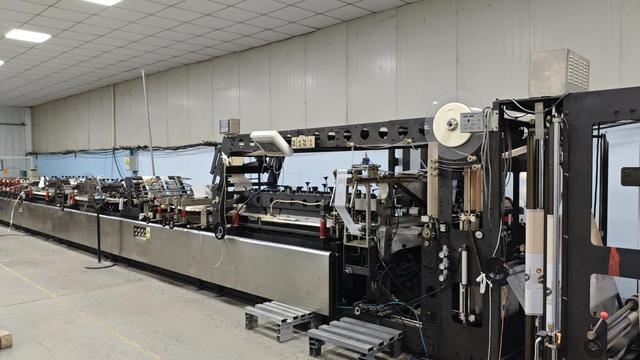
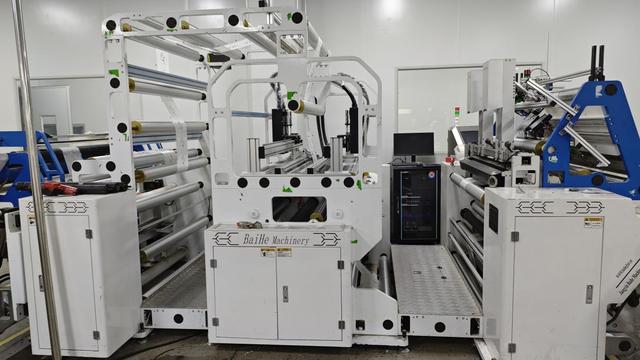

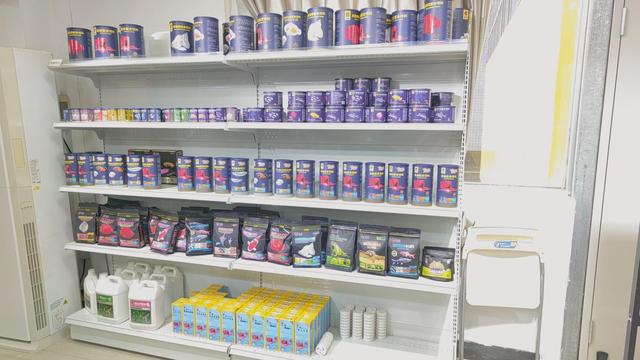
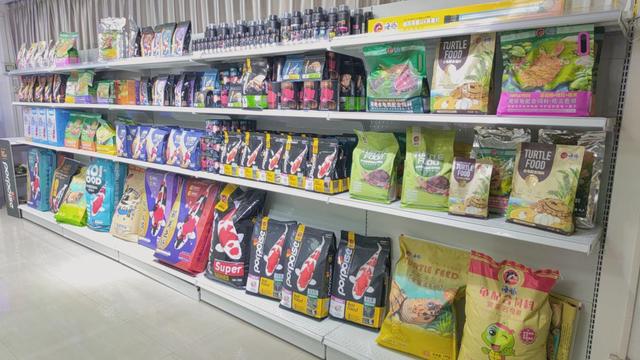
Discover our high-protein recipes, industrial-scale processing machinery, and freeze-dried lines available for international import.
Technical insights, regulatory guidance, and machinery operations details for Naples importers.
Get in touch with our engineering and nutritional R&D teams today. We will provide detailed estimates, layout drawings, and compliance reviews tailored to your specific project needs.
 Nill Paws